Crew-13 Heads to Florida as Final Launch Preparations Begin
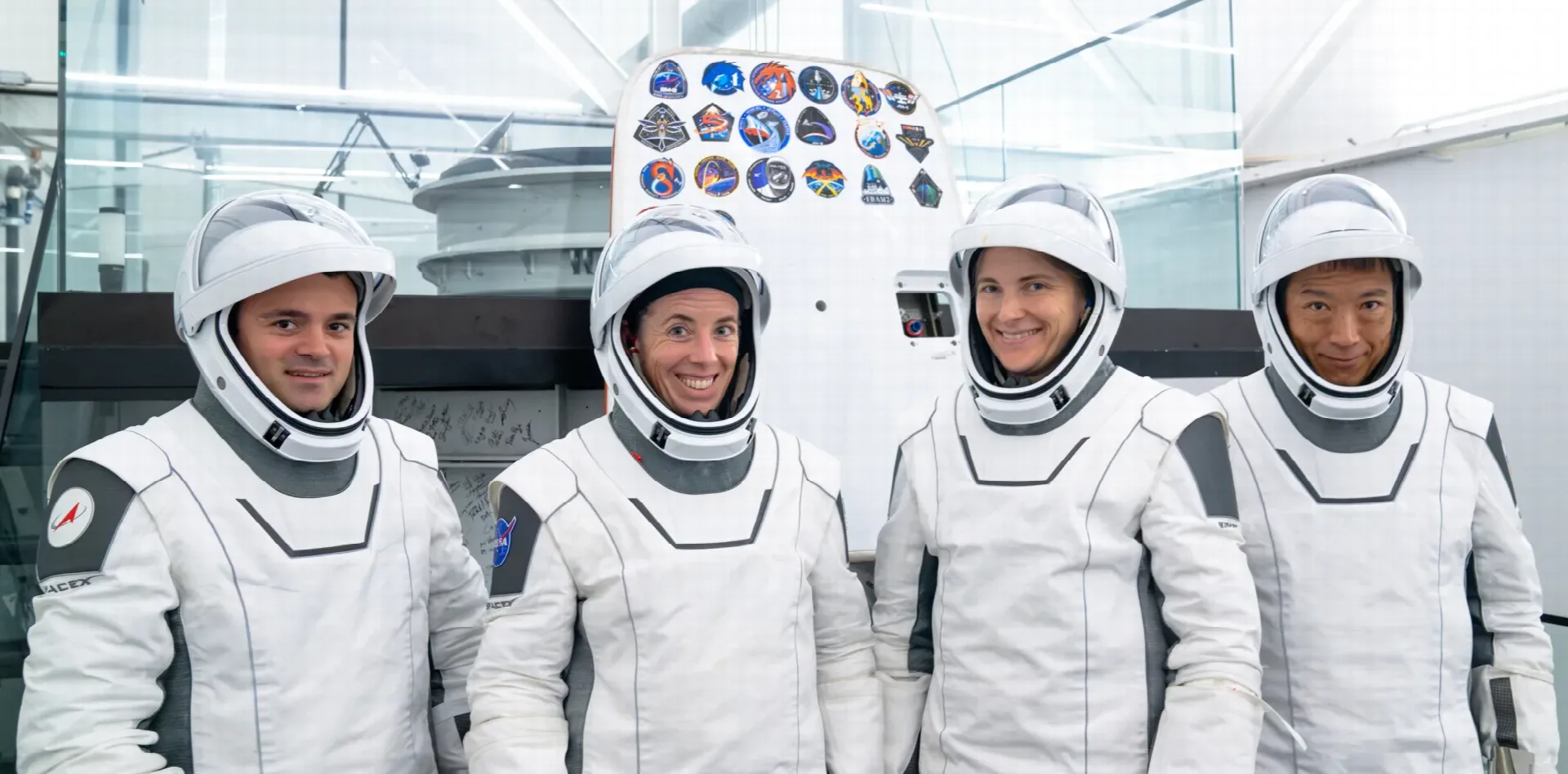
NASA’s Crew-13 astronauts and cosmonaut are traveling to Kennedy Space Center ahead of their planned flight to the International Space Station. Launch aboard a SpaceX Falcon 9 is targeted for no earlier than Oct. 1.
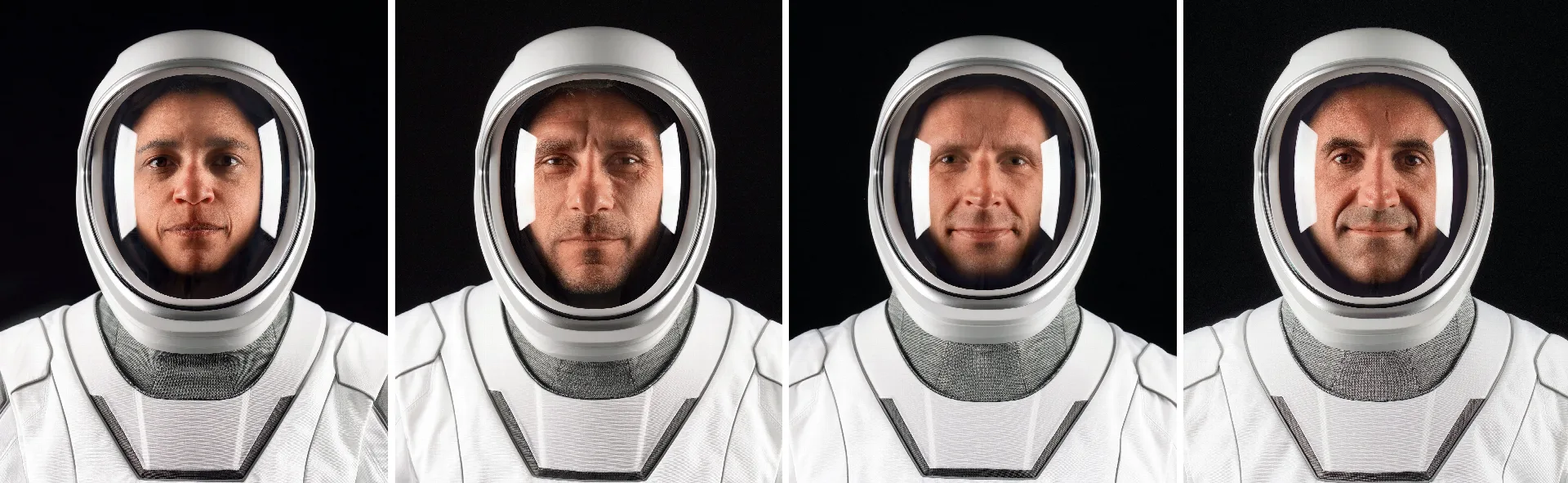
The four members of NASA’s SpaceX Crew-13 mission are heading to Florida, shifting the launch campaign from long-term training in Houston to its final operational phase on the Space Coast. Their destination is Kennedy Space Center, where they will remain in controlled conditions and complete the last preparations for a flight to the International Space Station.
NASA Blogs reported the crew’s departure on Saturday, September 26. The mission brings together NASA astronauts Jessica Watkins and Luke Delaney, Canadian Space Agency astronaut Joshua Kutryk, and Roscosmos cosmonaut Sergey Teteryatnikov.
The crew left Ellington Field near Johnson Space Center aboard T-38 jets on Saturday morning. They were expected to reach Kennedy’s Shuttle Landing Facility at about 1 p.m. EDT, a familiar arrival point for astronauts entering the closing days of a Florida launch campaign.
NASA has long used T-38 aircraft for astronaut proficiency and transportation. Beyond moving crews between agency sites, the jets offer a demanding environment in which aviators must communicate precisely, manage complex systems and make timely decisions—skills that remain relevant during human spaceflight.
Representatives from Kennedy Space Center and NASA’s Low Earth Orbit Program were due to greet Crew-13 on the runway. The four travelers also planned to make brief comments to media at the site, with live coverage offered through the NASA Kennedy YouTube channel.
The public arrival is largely ceremonial, but it marks an important change in posture. Once the remarks are over, the crew will enter Astronaut Crew Quarters in the Neil A. Armstrong Operations and Checkout Building, limiting outside contact while technical teams continue work elsewhere at the launch sites.
The astronauts and cosmonaut will continue their preflight quarantine there. The measure is intended to reduce the chance that an illness could disrupt the mission, jeopardize a crew member’s health in orbit or force managers to reconsider staffing and launch timing at a late stage.
Final preparation typically emphasizes readiness rather than new training. The crew will review procedures, receive medical attention as required, coordinate with mission specialists and rehearse critical portions of the timeline, including responses to unlikely launch or spacecraft contingencies.
Crew-13 is scheduled to lift off no earlier than 11:10 a.m. EDT on Thursday, Oct. 1. A SpaceX Falcon 9 will launch from Space Launch Complex 40 at Cape Canaveral Space Force Station, placing the mission at a neighboring facility to Kennedy rather than on Kennedy property itself.
The “no earlier than” designation is significant. Human spaceflight schedules remain dependent on hardware performance, range availability and weather not only at the pad but also across areas associated with possible abort and recovery operations. A concern in any of those categories can move the attempt to a later opportunity.
Crew-13’s multinational composition also illustrates how station transportation is integrated with the wider partnership behind the ISS. American, Canadian and Russian crew members must train around shared procedures and operate as one unit during ascent, rendezvous, docking and their stay aboard the orbital laboratory.
For NASA, the mission continues the operational model developed through the Commercial Crew Program: the agency purchases crew transportation from a commercial provider while retaining oversight of safety, certification and mission requirements. SpaceX supplies the launch system and spacecraft operations, while NASA teams coordinate the broader station mission.
Regular crew rotations are essential to maintaining a continuous human presence in low Earth orbit. New arrivals allow scientific work, station maintenance and technology demonstrations to continue while enabling previous expedition members to prepare for their return to Earth.
The crew’s arrival in Florida is therefore a milestone rather than a guarantee of an Oct. 1 departure. Mission managers must still close technical work, monitor forecasts and confirm that the launch vehicle, spacecraft, ground infrastructure and personnel are ready before authorizing the final countdown.