ISS crew links power expansion with research for longer missions
Expedition 75 closed the week with a newly deployed solar array and a varied research program spanning crop health, exercise, human orientation and advanced onboard tools. A second spacewalk was scheduled to complete a station power upgrade begun in 2021.
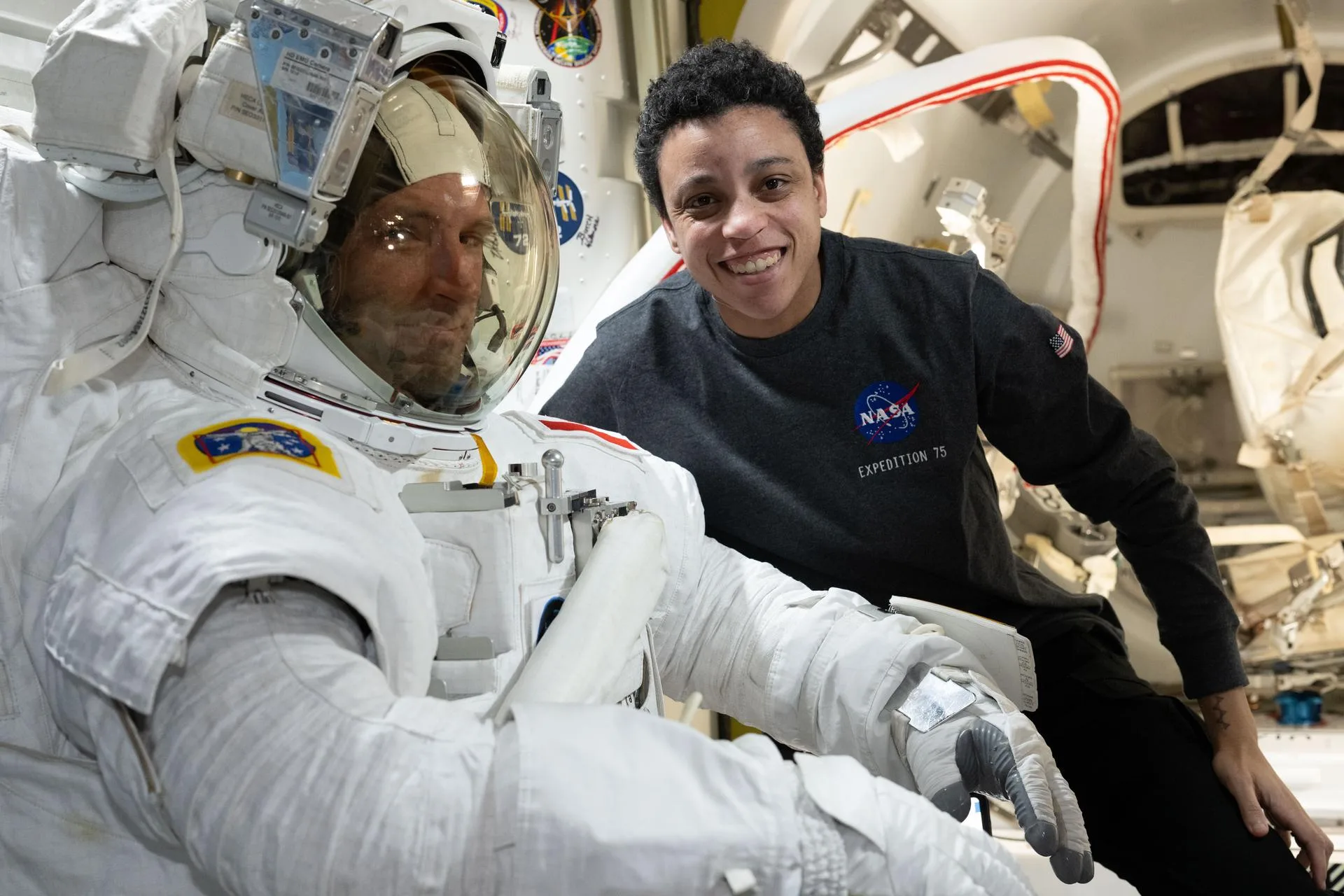
A seven-hour spacewalk to expand the International Space Station's power supply set the backdrop for a week that ended with smaller but strategically connected experiments. Expedition 75 crew members moved from work on the station's exterior to studies intended to address food production, physical conditioning, human adaptation and spacecraft operations during extended missions.
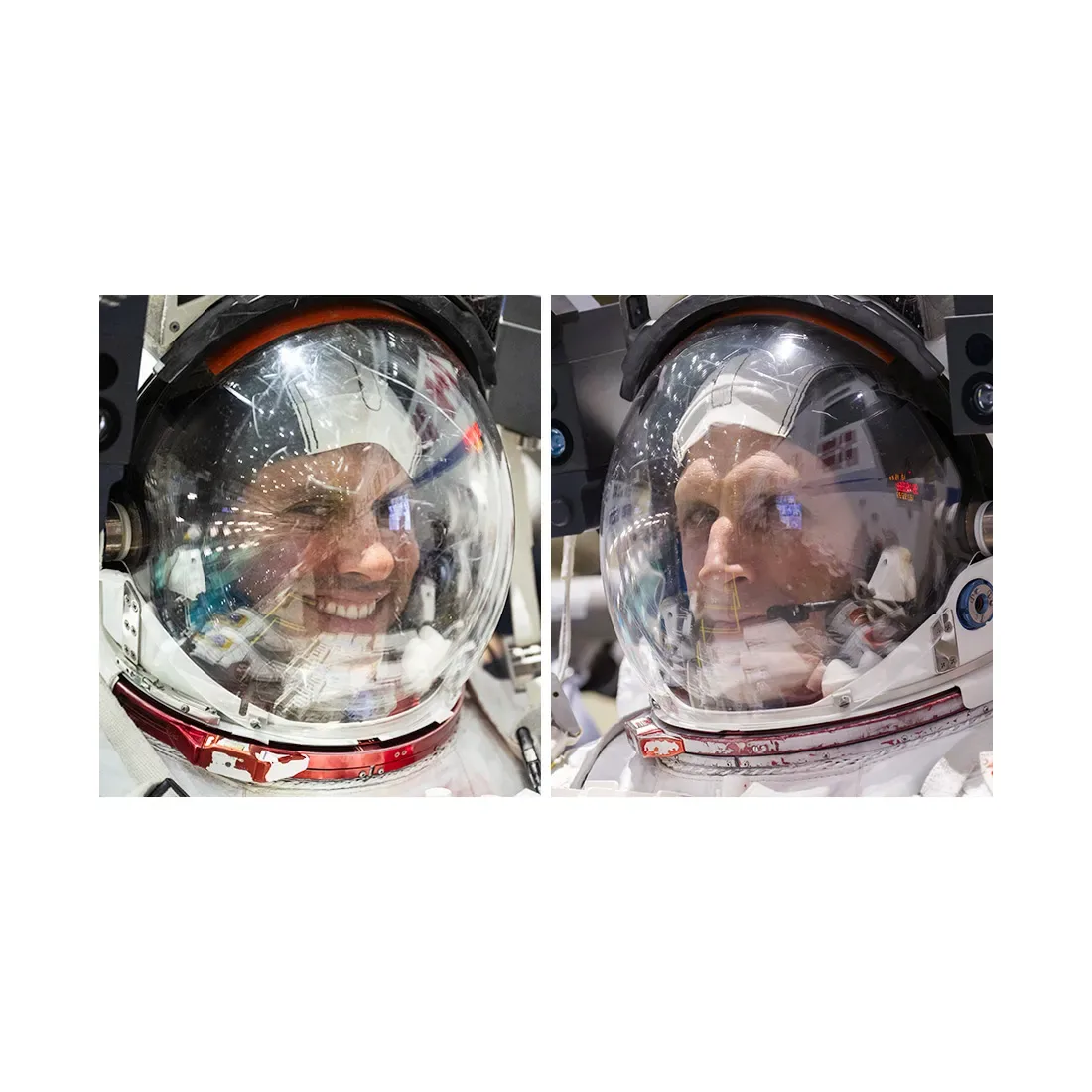
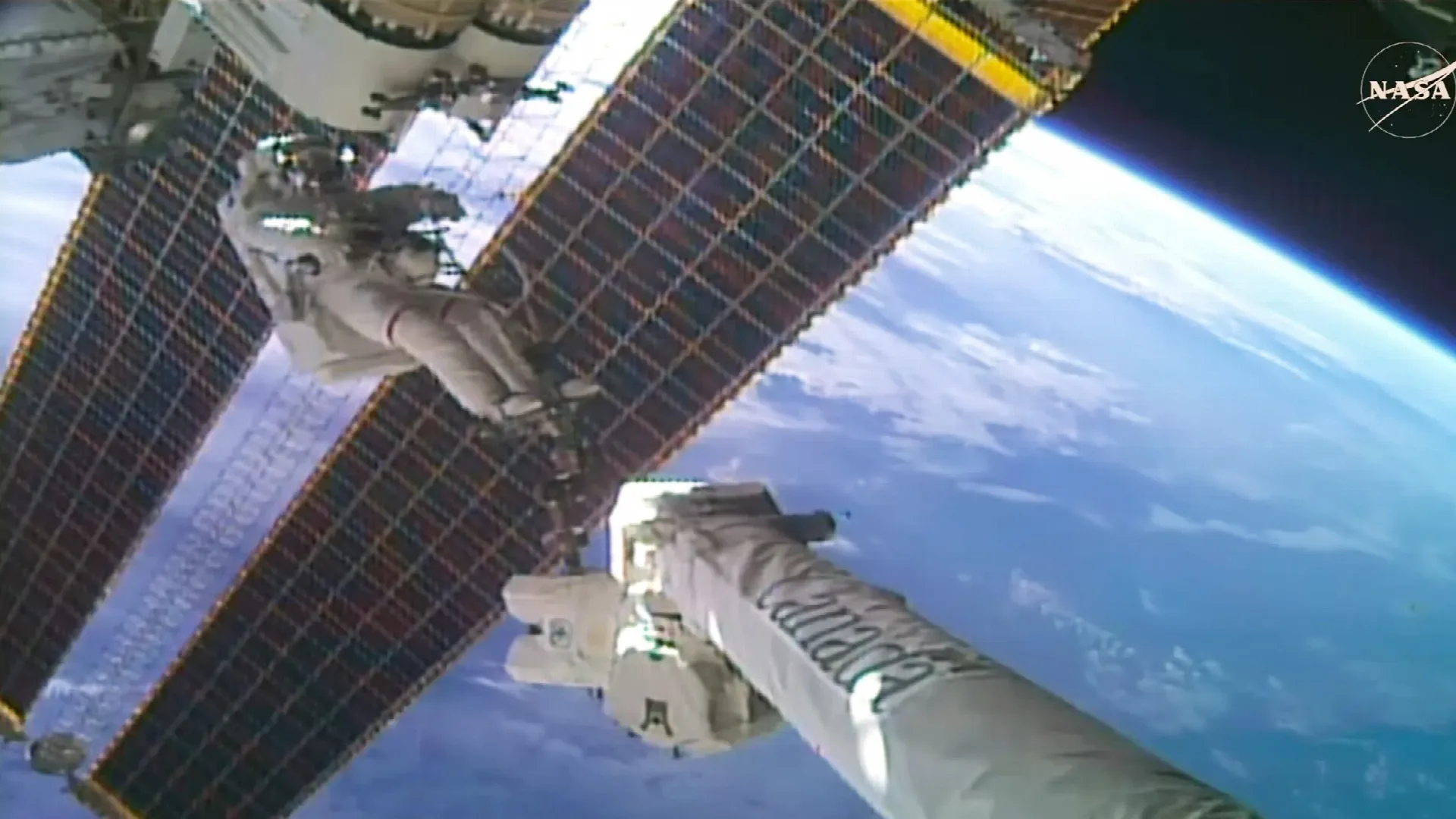
NASA Blogs reported the activities on Friday, October 30. NASA astronaut Anil Menon and Canadian Space Agency astronaut Joshua Kutryk had installed a roll-out solar array during a spacewalk on Thursday, October 29, giving the orbiting laboratory an additional source of electrical power.
The two flight engineers spent seven hours and 11 minutes outside the station. Their tasks included attaching the array to the port-side truss and releasing tension bolts that had held the system in its packed configuration. Once released, the structure unfurled on its own in a process lasting about ten minutes.
Although deployment was visually the most conspicuous part of the operation, the work belonged to a broader effort to reinforce the station's aging power architecture. The roll-out arrays augment rather than simply replace the existing solar wings, raising the amount of electricity available for station systems and scientific payloads.
Menon and Kutryk were scheduled to venture outside again on Thursday, November 5. That spacewalk was intended to place the eighth and final roll-out array on the starboard side of the truss, concluding an installation campaign that began in June 2021. Completion of the program was expected to lift generating capacity from 160 kilowatts to roughly 215 kilowatts.
On Friday, the two spacewalkers followed a lighter schedule while continuing selected research duties. Menon worked in Japan's Kibo laboratory on an investigation of cell division in green algae and cultured tobacco cells. The experiment examines how microgravity alters basic plant processes that would have to be understood before crops could reliably support crews far from Earth.
The study was framed as potentially relevant to food production on the Moon and Mars. It did not, however, claim that a complete off-world farming system had been demonstrated. Instead, the cell-level work contributes evidence needed to understand whether plants can grow consistently under environmental conditions unlike those on Earth's surface.
Kutryk exercised on the cycling component of the European Enhanced Exploration Exercise Device in the Columbus module. Known as E4D, the compact, integrated machine is under evaluation for maintaining crew fitness on long-duration flights. Its design addresses a practical constraint of exploration vehicles: exercise equipment must support human health without consuming excessive cabin volume.
NASA flight engineer Luke Delaney approached space agriculture from the perspective of disease. After thale cress samples were exposed to a fungal pathogen, he inoculated the plants and stored them in an incubator capable of generating artificial gravity. The investigation may help researchers identify ways to improve crop resistance in space, while also yielding knowledge applicable to agriculture on Earth.
Jessica Watkins concentrated on the infrastructure that keeps orbital research functioning. She removed and photographed components from a device used to power experiments launched aboard spacecraft. She also replaced moisture absorbers in portable science freezers designed to carry frozen samples to the station and return them to Earth for laboratory analysis.
Work in the Roscosmos segment added materials science and human-factors research to the schedule. Station commander Pyotr Dubrov exchanged hardware inside a temperature-controlled chamber for an experiment on producing high-purity semiconductor crystals in microgravity. The activity explored manufacturing conditions rather than reporting a finished industrial process or final result.
Sergey Teteryatnikov donned a virtual-reality headset and responded to computer-generated visual cues. Researchers were using the task to examine how his balance and sense of orientation were adapting to microgravity, an environment in which the body's familiar relationship between visual information, gravity and motion is disrupted.
Anna Kikina, meanwhile, studied whether super-intelligence tools could improve operational and communications efficiency aboard a spacecraft. The source did not provide findings or define a future deployment plan, but the experiment broadened the week's focus beyond hardware and biology to the management of information and crew tasks.
Taken together, the activities showed two sides of the station's role. The new arrays are meant to preserve and expand the electrical foundation on which the laboratory depends, while the experiments use that laboratory to test elements of future exploration. The next planned spacewalk was therefore both an infrastructure milestone and an enabling step for the diverse research conducted inside the ISS.