
ISS crew rehearses robotic solar-array installation ahead of spacewalk
Expedition 75 astronauts prepared Canadarm2, spacesuits and emergency equipment for an October 29 spacewalk. Cargo transfers and studies of stress, circulation and bioprinted tissue continued alongside the operational work.
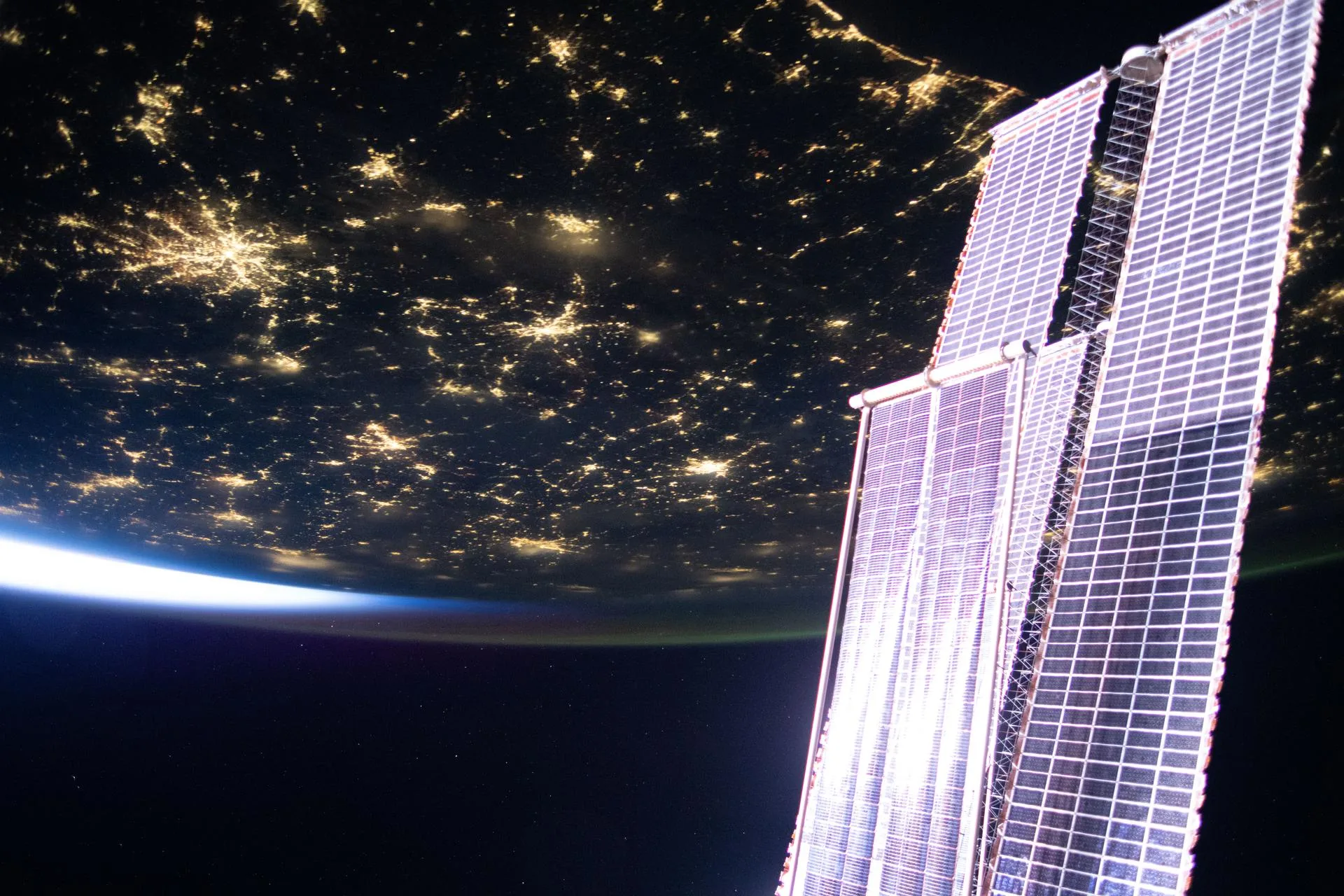
Expedition 75 opened its week aboard the International Space Station with a tightly coordinated rehearsal for an upgrade to the outpost’s electrical power system. The plan calls for two astronauts to install a roll-out solar array on the port-side truss during a spacewalk scheduled for Thursday, October 29.
NASA Blogs reported the preparations on Monday, October 26. The account covered work completed that Monday as well as activities still planned for later in the week.
NASA flight engineer Anil Menon and Canadian Space Agency astronaut Joshua Kutryk are due to exit the Quest airlock at 8 a.m. EDT. Their excursion is expected to last six hours and 45 minutes, with live NASA+ coverage scheduled to begin at 6:30 a.m.
The assignment is not confined to the two crew members working outside. NASA astronauts Jessica Watkins and Luke Delaney are to assist Menon and Kutryk as they enter and leave their spacesuits, while also supporting the use of Canadarm2 from inside the station.
All four astronauts spent Monday reviewing the robotic-arm movements required by the installation sequence. The exercise linked several distinct tasks: releasing the folded array from an external pallet, securing it for transport, moving it along the station’s exterior and positioning it at the port-truss worksite.
Under the planned division of labor, Menon will attach himself to the robotic arm and retrieve the array. Canadarm2 will then carry him and the hardware toward the installation area, while Kutryk remains tethered to the truss and translates along the station’s structure to meet his partner.
The astronauts are expected to complete the physical installation together. Once their exterior work is finished, mission controllers plan to activate the new unit, one of two roll-out arrays intended for the port side and part of the effort to upgrade power generation aboard the orbital laboratory.
Spacesuit readiness formed another important part of Monday’s schedule. Menon and Kutryk inspected their emergency propulsion packs, checking fuel levels, battery power and thruster operation, while Watkins helped Kutryk verify that the suit’s cooling and water systems were safely configured.
Station logistics continued in parallel. Watkins and Menon transferred supplies between the ISS and a SpaceX Dragon cargo vehicle that had docked autonomously with the space-facing port of the Harmony module on October 15.
Dragon is scheduled to depart in mid-November carrying scientific material and station hardware back to Earth for analysis. The loading work therefore connects routine inventory management in orbit with the laboratory process on the ground, where returned equipment and experiment samples can be examined.
Delaney’s workday illustrated the station’s second major role as a research platform. He documented his sleep patterns on a tablet for RelaxPro, an investigation examining ways to improve stress reduction during long-duration missions, and later maintained bioprinted blood-vessel tissues by treating and nourishing the samples.
The vessel study uses microgravity to explore the production of customized tissue for individual patients. Elsewhere on the station, commander Pyotr Dubrov and flight engineer Anna Kikina wore cuffs on their arms, wrists and fingers to measure circulatory responses to weightlessness, while Sergey Teteryanikov continued research into how super-intelligence tools might support crew operations and communications with mission control.