SSPICY loss exposes the risks behind orbital servicing tests
Starfish Space’s first Otter spacecraft fell silent during commissioning after its fault-protection software kept the radio switched off. NASA and the company determined that the technology demonstrator could not be recovered.
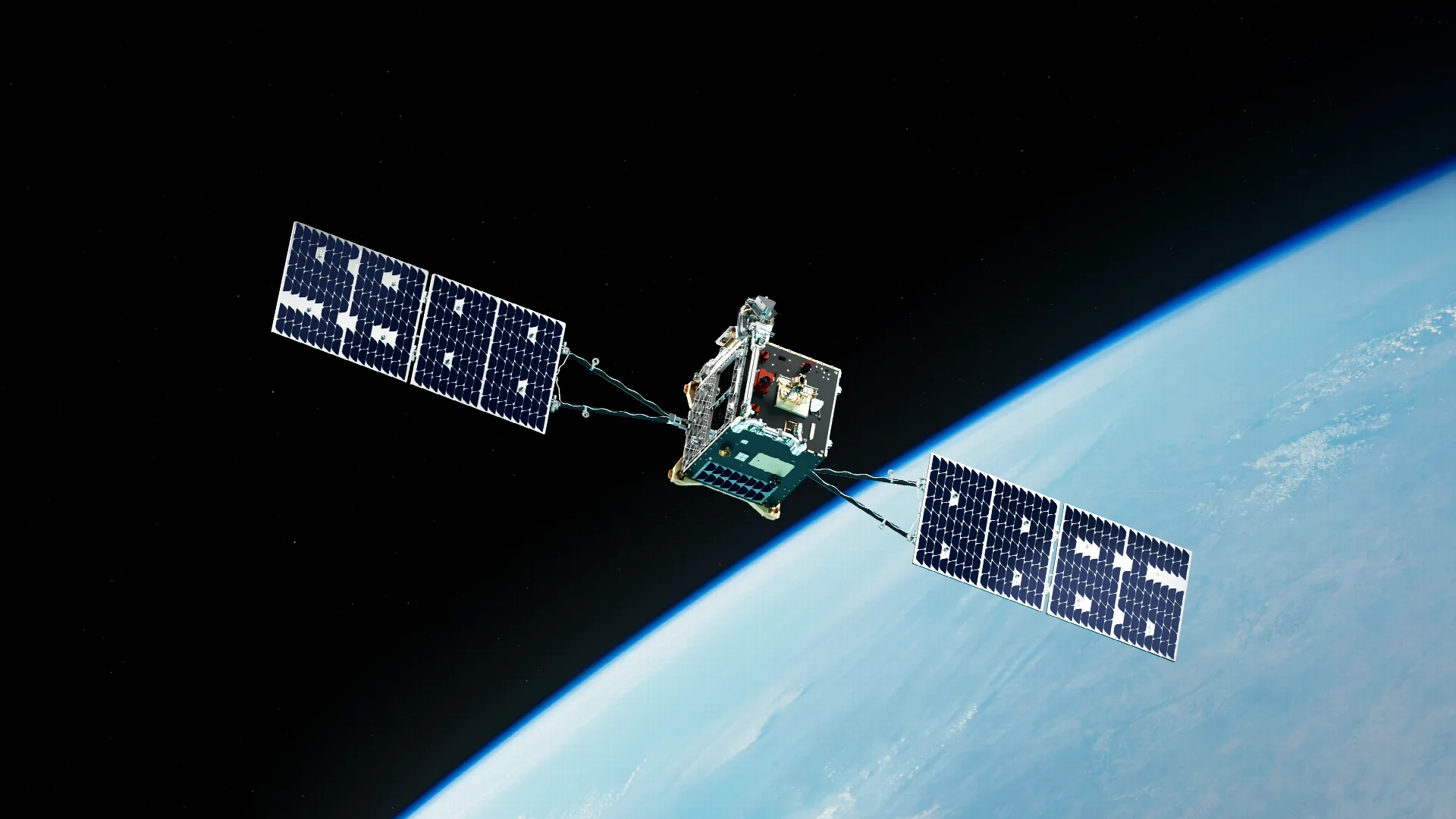
A communications failure ended the operational prospects of SSPICY before the small satellite could begin its planned inspection campaign in low Earth orbit. Starfish Space initially contacted its Otter spacecraft following the October 1 launch, but the link disappeared during commissioning and two-way communications were never restored.
NASA Blogs reported the determination on Tuesday, November 3. NASA and Starfish concluded that the spacecraft was not recoverable because an onboard problem prevented communication between Otter and its ground operators.
SSPICY, short for Small Spacecraft Propulsion and Inspection Capability, was a NASA-supported technology demonstration led and operated by Starfish. That distinction is important: the mission drew federal support and was intended to return useful technical data to NASA, while the commercial company owned and controlled the spacecraft.
Commissioning is the period between launch and routine operations when controllers activate subsystems, establish the vehicle’s health, calibrate equipment and verify that the spacecraft can safely perform its mission. Initial contact showed that Otter had reached at least the opening stage of that process. The subsequent loss prevented the team from completing the checks required for normal operations.
Troubleshooting by NASA and Starfish traced the problem to the spacecraft’s fault-protection system. This onboard software is supposed to detect abnormal conditions and place a vehicle in a safer configuration. On Otter, it erroneously kept the radio turned off, cutting away the command path that operators would ordinarily use to diagnose or correct a fault.
The episode illustrates a difficult design trade-off in autonomous spacecraft. A satellite must respond to hazards even when it is outside immediate ground contact, yet an overly restrictive or incorrect protective response can disable the very equipment needed for recovery. The source did not identify the original trigger for the software response or describe a method by which the silent spacecraft could be commanded again.
Had commissioning succeeded, SSPICY was meant to navigate toward and inspect inactive U.S.-origin space objects in low Earth orbit. The flight was also expected to demonstrate advanced propulsion, guidance, navigation and control, together with an articulating robotic boom designed for close-range operations.
The mission carried additional significance because it marked the first launch and deployment of Starfish’s Otter platform. It was also the company’s first attempt to combine its propulsion and navigation technologies in one integrated spacecraft system. Losing communications meant those elements could not be exercised through the planned on-orbit demonstration.
The broader objective reached beyond a single inspection. NASA backed SSPICY to accelerate commercial capabilities for in-space servicing, assembly and manufacturing, fields that depend on controlled approaches, precise relative navigation and reliable operations near other objects. The agency also expected inspection observations to improve its understanding of the characteristics of orbital debris.
Greg Stover, director of the Advanced Research and Technology Division at NASA Headquarters, said commercial capabilities such as Starfish’s were important to a competitive U.S. space economy and American leadership in low Earth orbit. He framed technology demonstrations as a way to test systems quickly, learn from actual performance and iterate on subsequent designs.
That rationale places technical setbacks within the development process, but it does not mean SSPICY completed its stated objectives. Otter did not proceed to the planned proximity and inspection activities, and NASA’s account offered no claim that the intended propulsion, robotic or debris-observation demonstrations had been performed.
Starfish intends to gather information for NASA on future Otter missions, including performance data from the relevant technologies and inspection data concerning orbital debris in low Earth orbit. NASA’s account did not provide launch dates for those flights, identify specific replacement hardware or detail the corrective changes expected to follow the fault analysis.
Funding came from the Advanced Research and Technology Division within NASA’s Research and Technology Mission Directorate. Mission support was managed through the Small Spacecraft and Distributed Systems program at the agency’s Ames Research Center in California’s Silicon Valley, linking the commercial flight to NASA’s wider small-spacecraft research portfolio.
For the program, the immediate result was a spacecraft judged unrecoverable and a demonstration curtailed during its earliest operational phase. The remaining value lies in the engineering evidence from commissioning and troubleshooting, particularly the interaction between autonomous fault response and communications availability, rather than in the orbital inspection data SSPICY had been designed to collect.