
Ukraine weighs a tax-enforcement pause for five state energy companies
Bill No. 16179 would suspend forced tax-debt recovery against five state-owned mining and electricity businesses through martial law and for six months afterward. The proposal seeks to preserve cash for wages, production, safety and relocation needs without cancelling the debts.
Ukraine’s government has submitted legislation designed to shield five state-owned energy-sector enterprises from immediate tax-debt enforcement. The measure covers Eastern Mining and Processing Plant, Dobropilliavuhillia-Vydobutok, Lvivvuhillia, Volynvuhillia and Regional Electrical Networks, bringing coal, uranium and power infrastructure under one temporary arrangement.
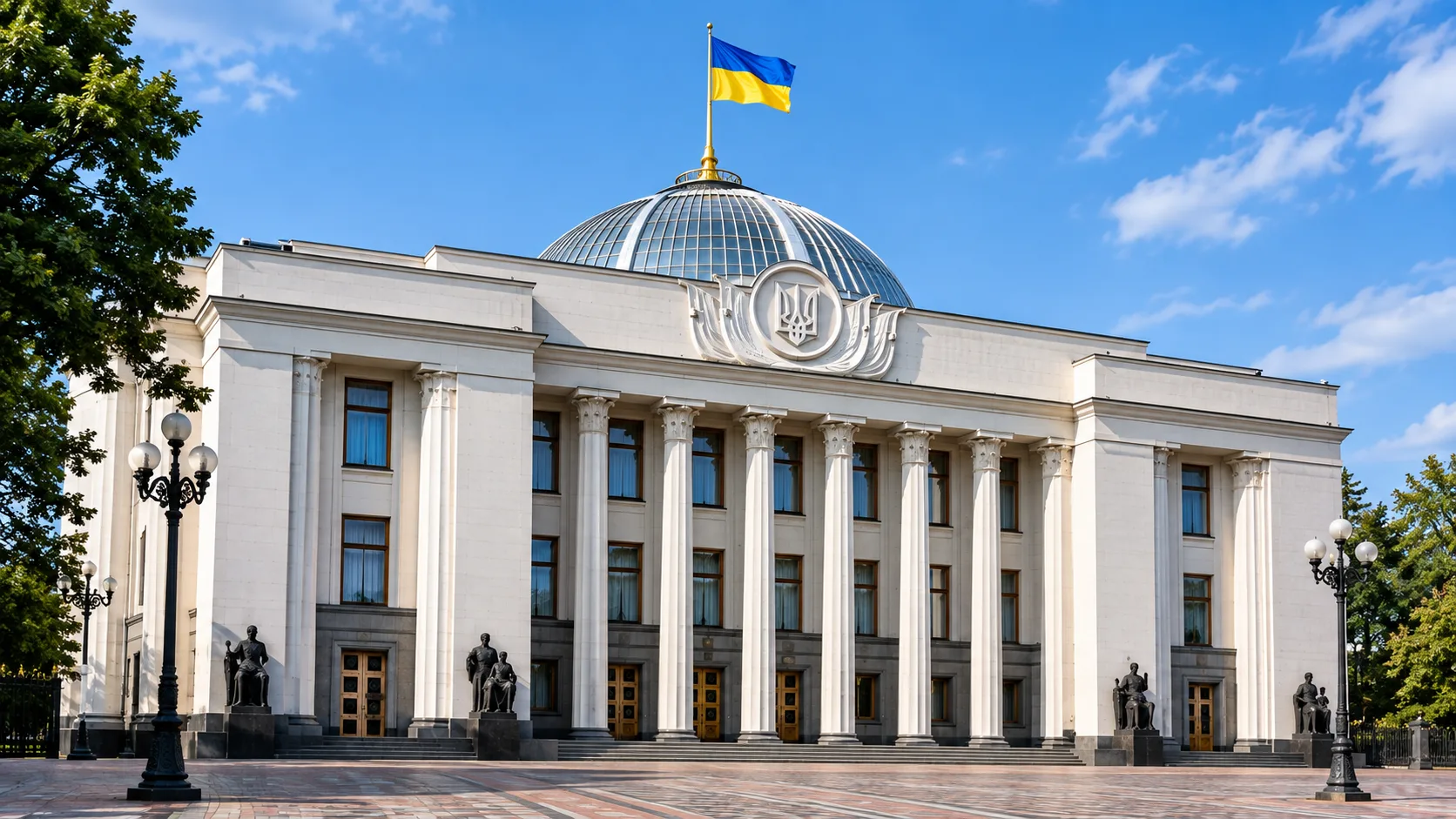
The Verkhovna Rada reported the registration of the government bill on Thursday, October 22. Numbered 16179, it was filed during the 16th session of the ninth parliamentary convocation and assigned primarily to the Committee on Finance, Tax and Customs Policy.
The proposal is a deferral mechanism rather than debt forgiveness. It would add a provision to the transitional section of the Tax Code barring supervisory authorities from taking specified tax-debt recovery measures against the named companies. The restriction would remain in place until six months had elapsed after martial law was terminated or cancelled.
A parallel clause would suspend the applicable limitation period. That detail preserves the state’s ability to pursue the outstanding liabilities later and distinguishes the measure from a write-off. In practical terms, the companies would receive temporary protection for their bank balances, while the underlying tax claims would continue to exist.
The explanatory note portrays forced collection as an immediate operational threat. According to the government’s account, tax authorities have been sending collection orders and withdrawing money from all available bank accounts of state coal and uranium producers. The resulting loss of working capital allegedly prevents managers from allocating already limited funds to the most urgent industrial needs.
Coal production requires continuous purchases of timber, arched supports and explosives, as well as spending on mine-development work. Interruptions in those inputs can reduce current output and constrain access to future coal faces. The government argues that failure to meet production plans could, in turn, disrupt deliveries to thermal power plants and combined heat-and-power facilities.
The bill is framed against deterioration in Ukraine’s wartime fuel position. Russian attacks have reduced output at DTEK Pavlohradvuhillia’s private mines, while coal inventories at thermal generation sites have been declining, the submission says. That has increased the strategic importance of state mines, particularly those in the Lviv-Volyn basin, which the note describes as raising production.
Payroll is another central concern. The explanatory material says more than 10,000 workers could be left without timely wages or employment if the enterprises lost access to their operating funds. Because mining companies often anchor the economies of their communities, the government warns that the effects would reach families, contractors and other businesses far beyond the companies’ direct workforces.
The document also links liquidity to compliance with current obligations. Even while old tax debt is being collected, the enterprises need funds to pay value-added tax, the unified social contribution and wages. This creates a sequencing problem: aggressive recovery of accumulated liabilities may make it harder for a company to meet new priority payments and maintain production.
Safety and wartime logistics add another layer. Coal mines must finance the degassing of underground workings, and delayed work could expose employees to greater danger. The enterprises are also expected to relocate state-owned equipment and materials from eastern regions to safer parts of western Ukraine under decisions previously taken by the economy and energy ministries.
An uncontrolled shutdown would not resemble an ordinary factory closure. The government cautions that abandoned or rapidly flooded workings could release contaminated mine water, damage soil and threaten drinking-water layers. Its argument is that the cost of responding to technological and environmental emergencies could ultimately exceed the tax receipts whose collection had triggered the loss of operating cash.
Eastern Mining and Processing Plant gives the initiative a nuclear-fuel dimension because of its role in uranium extraction. The government presents its continued operation as part of the country’s broader energy resilience, while the inclusion of Regional Electrical Networks extends the proposed protection to electricity infrastructure. The note, however, devotes most of its detailed reasoning to the acute financial and physical risks facing extraction businesses.
The bill was also referred to committees dealing with energy, economic development, legal policy, local government, social policy, the environment, the budget, anti-corruption safeguards and European integration. Their scrutiny may test the balance between equal enforcement of tax law and exceptional support for specifically named state assets. The government says the measure would require no additional spending from either the national or local budgets, although it would postpone enforcement activity.
As of October 23, the filing had not itself changed the companies’ legal position. Parliament would still need to approve the proposal and the resulting law would have to complete the required procedure and be published. The submitted text provides for entry into force on the day after publication, meaning that the intended collection pause cannot be treated as operative merely because Bill No. 16179 has been registered.