
Humanoid Robots Gain Better Balance and Motion Control
Advances in sensing, simulation and adaptive control are enabling humanoid machines to move with greater stability and precision in changing environments.
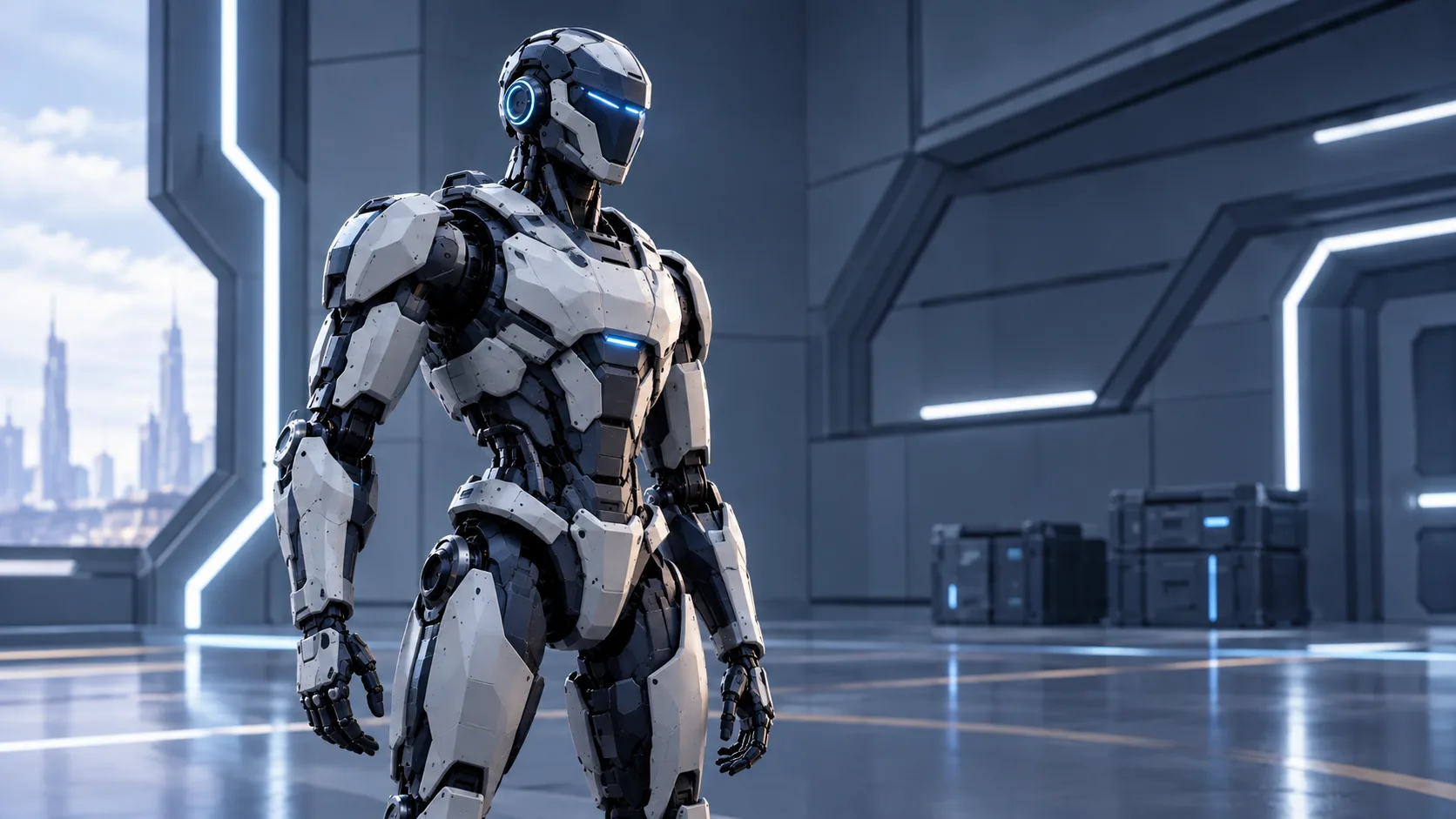
Humanoid robot mobility is improving as engineers combine faster control systems with richer sensory feedback. Instead of executing only rigid, pre-programmed sequences, newer platforms can continuously adjust posture, foot placement and joint movement while completing a task.
Cameras and inertial sensors help machines estimate their position, while force sensors measure contact with the floor or an object. By processing these signals together, a robot can respond to uneven terrain, compensate for a disturbance and coordinate its arms and legs without stopping to recalculate an entire movement.
Simulation has become an important part of this progress. Developers can expose virtual robots to thousands of variations in terrain, load and balance before deploying the resulting control policy on physical hardware. Real-world testing then reveals differences in friction, motor response and sensor accuracy that require further refinement.
More reliable coordination could make humanoid robots useful in spaces designed for people, including warehouses, factories and hazardous work sites. However, natural-looking motion alone is not enough: safe deployment also depends on predictable behavior, force limits, robust emergency controls and extensive testing around human workers.