
ISS Crew Balances Microbiology, Spacesuit Work and Cargo Logistics
Expedition 75 spent November 10 studying bacteria, maintaining Russian spacesuits and preparing for cargo traffic. The schedule illustrates how research, safety and routine upkeep compete for crew time in orbit.
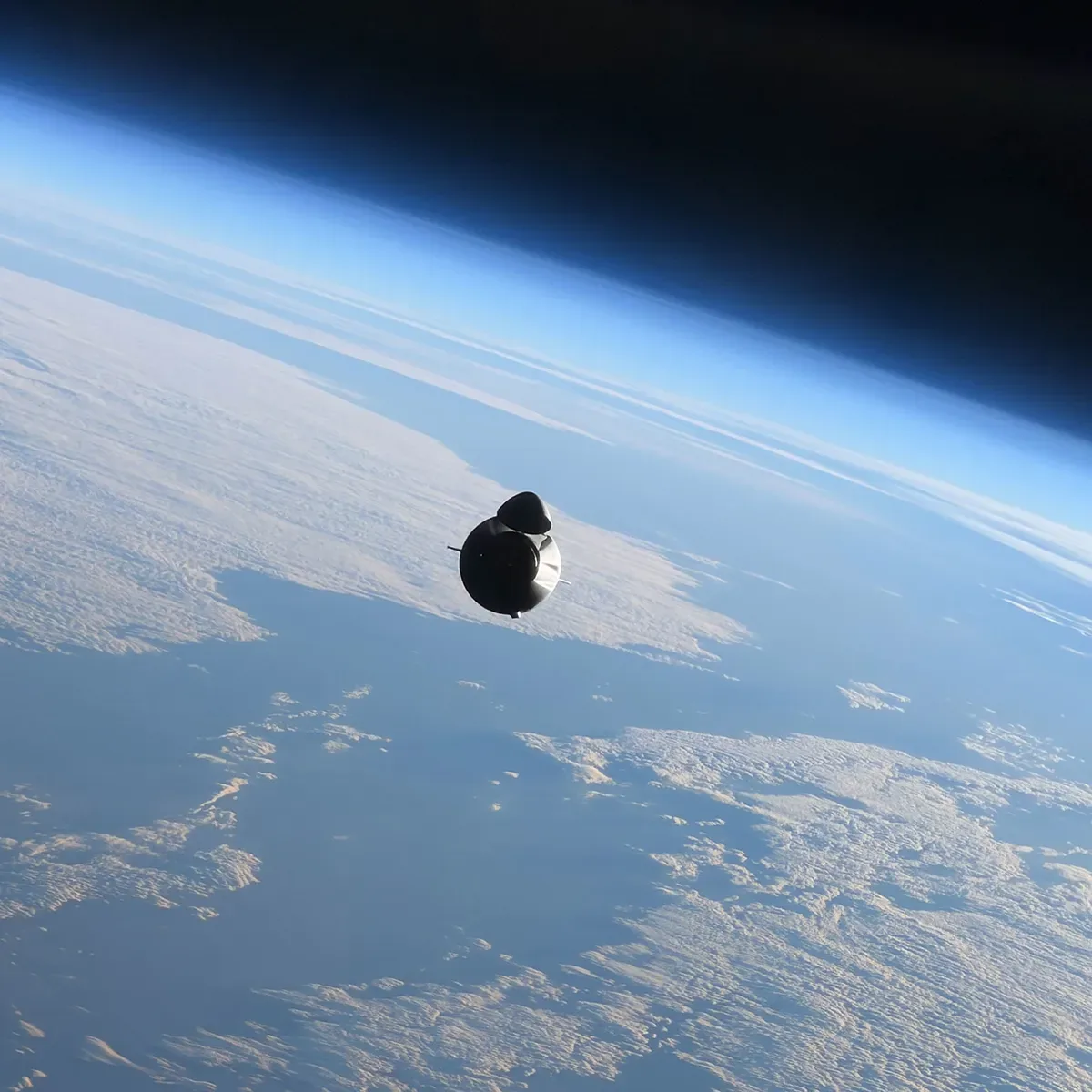
The Expedition 75 crew devoted Tuesday, November 10, to a tightly coordinated mix of microbiology, hardware maintenance and cargo work aboard the International Space Station. The day’s assignments stretched across the Japanese, US, European and Russian segments of the orbital laboratory. NASA Blogs reported the activities on Tuesday, November 10.
NASA flight engineer Anil Menon and Canadian Space Agency astronaut Joshua Kutryk worked together in the Kibo laboratory to investigate how bacteria adapt to microgravity. The research addresses a practical concern for human spaceflight: microorganisms do not necessarily behave in orbit as they do under Earth’s gravity, and those differences may affect how crews manage health risks during long missions.
A particular focus is the relationship between microgravity and antibiotic resistance. The work was designed to give researchers more information about whether the space environment changes bacterial characteristics in ways that could complicate treatment. NASA said the resulting knowledge may contribute to countermeasures that protect the human immune system both in space and on Earth, although the samples still required laboratory analysis after their return.
Menon handled the microbes inside Kibo’s sealed Life Science Glovebox. The enclosure allows crew members to manipulate biological materials while keeping potentially antibiotic-resistant bacteria isolated from the station cabin. Containment also helps preserve the integrity of an experiment in a spacecraft where air and people circulate through a compact shared environment.
Kutryk moved selected samples to the Harmony module and extracted DNA for purification. He then placed the specimens in a science freezer so they could remain preserved until transportation home. The samples were due to leave aboard a SpaceX Dragon cargo spacecraft the following week, after which researchers planned to examine them with equipment available in terrestrial laboratories.
That return journey is part of a broader research chain rather than a simple delivery task. The station provides the microgravity conditions required for the experiment, while laboratories on Earth offer more extensive tools for genetic and biochemical analysis. Comparing the returned material with controls can help scientists distinguish spaceflight-related effects from ordinary biological variation.
Menon also joined NASA astronaut Jessica Watkins in transferring supplies into and out of Dragon before its planned departure. Loading a cargo vehicle involves more than filling available space: teams must track the location and condition of experiment samples, discarded equipment and other items while respecting storage, access and mass-distribution requirements.
Watkins had also cleared working space in Kibo for hardware and supplies expected aboard Northrop Grumman’s Cygnus XL several weeks later. The overlap between an outgoing Dragon and preparations for a future Cygnus mission underlines the continuous nature of station logistics. Returned research, waste, replacement parts and new experiments all move according to linked schedules on the ground and in orbit.
Elsewhere, NASA flight engineer Luke Delaney began with maintenance involving portable computer equipment in the Columbus laboratory. He later used the robotics workstation in the Destiny module to practice Canadarm2 maneuvers. Maintaining proficiency with the Canadian robotic arm is important because robotic operations can support cargo handling and work with hardware outside the station.
Delaney finished his shift by collecting drinking-water samples for examination on Earth. Water monitoring is a routine but critical part of operating a closed orbital habitat, where resources are recycled and crew members depend on environmental systems for months at a time. The planned analysis was intended to verify the safety and quality of the station’s drinking supply.
In the Poisk module, station commander Pyotr Dubrov and flight engineer Anna Kikina serviced three Roscosmos Orlan spacesuits. They activated the suits, attached them to interface units and cleaned their cooling and ventilation systems. Such preventive work keeps the suits available for spacewalks and supports the thermal control and life-support functions needed to protect cosmonauts outside the station.
Roscosmos flight engineer Sergey Teteryatnikov handled a different set of infrastructure duties in Rassvet, swapping, inspecting and cleaning plumbing components. Later, he installed and programmed Earth-observation equipment for an automated overnight session photographing landmarks in Southeast Asia and Australia. Taken together, the crew’s schedule showed the ISS as both a research platform and a working spacecraft whose scientific output depends on constant maintenance, environmental checks and careful cargo planning.