
US election setback puts Trump’s Iran strategy under scrutiny
Democratic gains in both chambers of Congress have weakened Republicans but left the White House with substantial foreign-policy powers. Tehran is weighing whether to harden its position or wait out the Trump presidency.
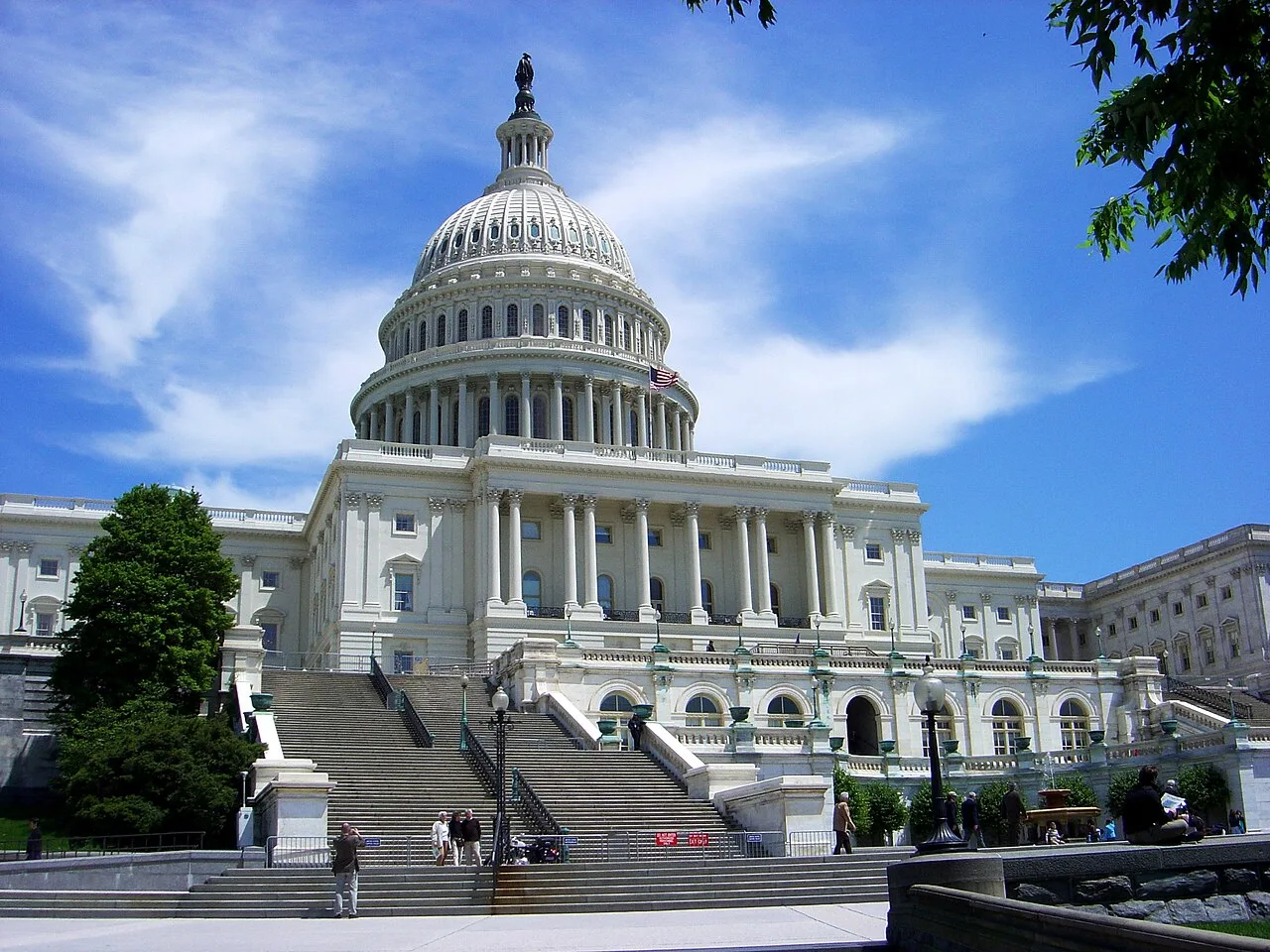
Democrats won control of the House of Representatives and the Senate in the November 3 midterm elections, dealing a major setback to President Donald Trump’s Republican Party. Trump acknowledged that the war against Iran, launched at the end of February, had carried a heavy political cost. Radio Svoboda reported the developments on Thursday, November 5.
Iranian Supreme Leader Mojtaba Khamenei dismissed the idea that a change in congressional control would fundamentally alter Washington’s approach. His comments came as Iranian and US officials continued indirect contacts, mainly through Qatar and Pakistan, aimed at ending the military conflict.
Trump has kept open the possibility of renewed strikes, citing unresolved targets that include a suspected Iranian nuclear site. Tehran, meanwhile, wants Washington to move first by lifting sanctions and the blockade and opposes major nuclear concessions in any eventual agreement.
Analysts outlined two possible paths for Iran: a tougher negotiating line based on the belief that resistance has paid off, or a strategy of delaying major compromises until Trump leaves office in January 2029. Both scenarios carry risks, with the next phase likely to depend on how the president responds to domestic pressure following the Republican defeat.