
Russia-Iran nuclear projects expand as inspections recede
Moscow and Tehran are advancing major reactor projects while international inspectors face sharply reduced access in Iran. Research groups say the widening oversight gap poses proliferation risks.
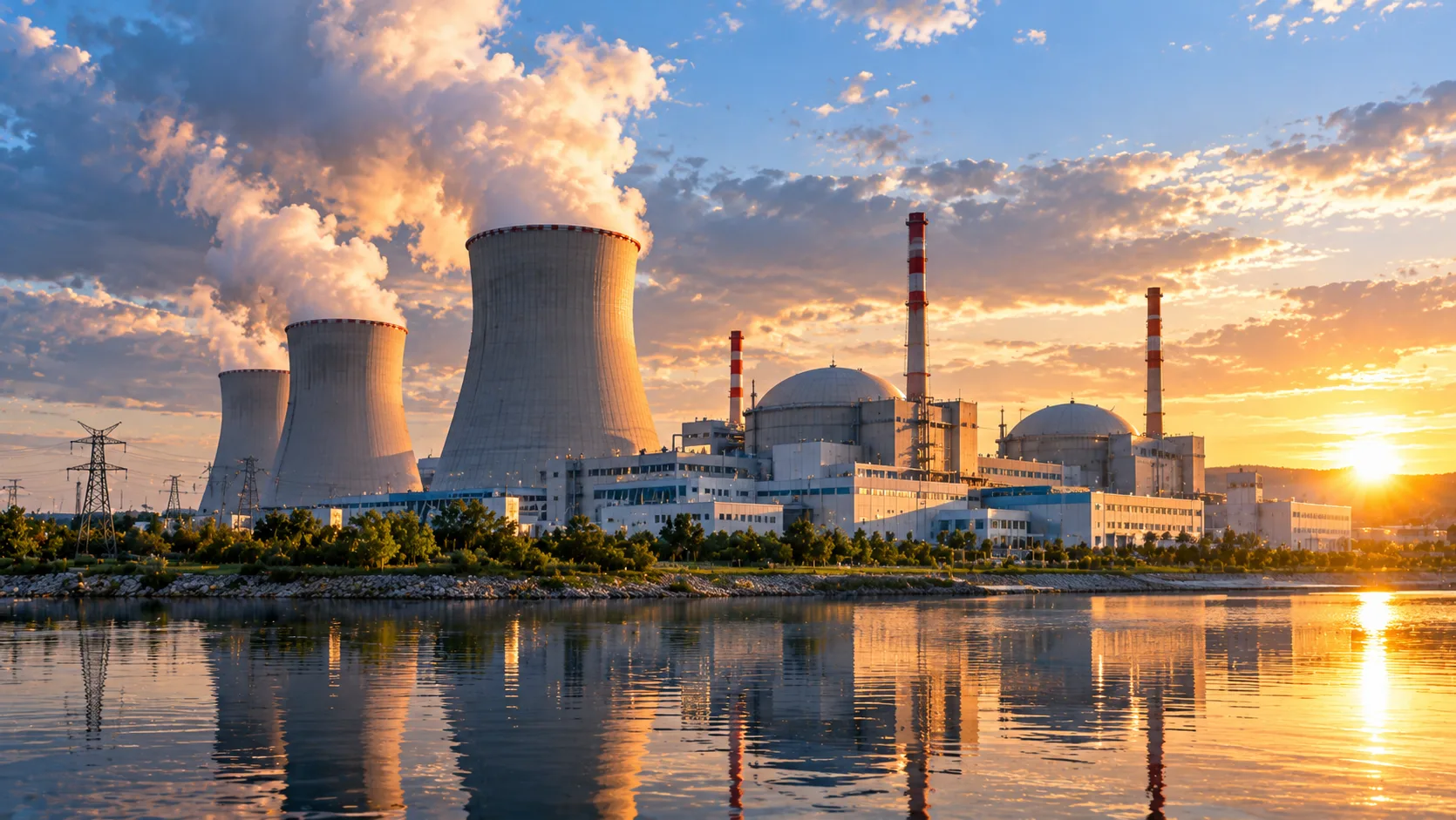
Russia has deepened its role in Iran’s civilian nuclear sector through work at Bushehr and a planned four-reactor complex on the Gulf of Oman. Radio Svoboda reported the developments on Friday, October 23.
At Bushehr, construction readiness for the second new unit has passed 60%, with commissioning targeted for 2029, while foundation work is under way for a third unit. The outlet said Rosatom had increased the number of key specialists at the site from 25 to about 100 by autumn 2026 despite regional military escalation.
The countries also signed a $25 billion implementation agreement in autumn 2025 for the Sirik nuclear plant in Hormozgan province. The proposed station would contain four reactors with a combined capacity of 5 gigawatts, tying its operation to Russian technology and fuel for decades.
The expansion coincides with restrictions on International Atomic Energy Agency monitoring. Iran blocked inspectors from new construction sites in September 2026 and demanded new access protocols, according to the report. Analysts cited by the outlet also alleged that nuclear-sector channels could facilitate transfers of dual-use equipment, while the IAEA says it cannot verify that Iran’s entire programme remains exclusively peaceful under current conditions.