
Crew-12 Seals Dragon for the Journey Home
The closing of the hatch between Dragon and the International Space Station moved NASA’s Crew-12 mission into its return phase. Autonomous undocking, an orbital transit and a closely monitored atmospheric reentry remain before recovery teams can retrieve the crew.
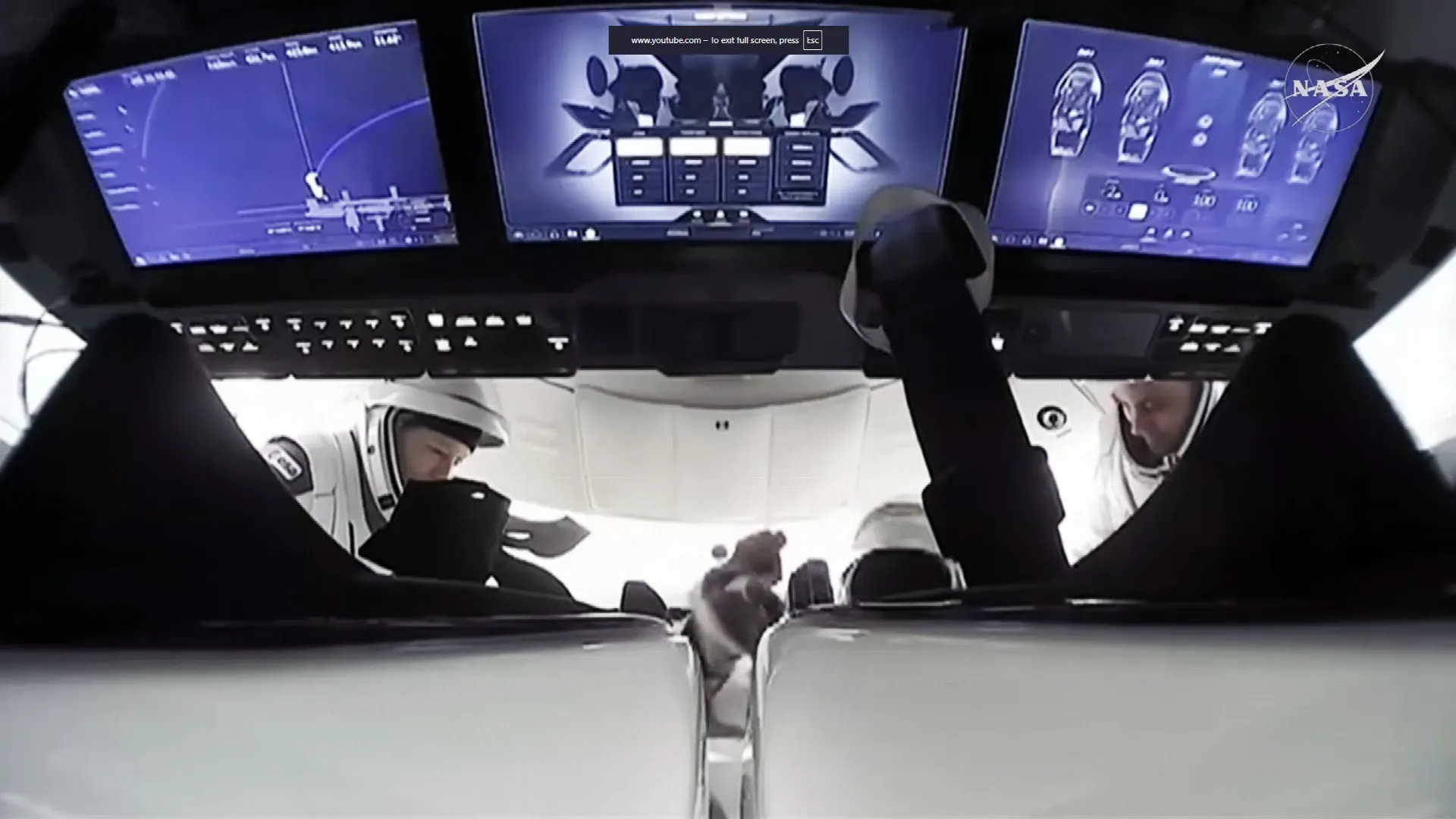
NASA’s SpaceX Crew-12 entered a decisive stage of its homeward journey when the hatch between the Dragon spacecraft and the International Space Station was closed at 6:05 a.m. EDT. The milestone physically separated the crew’s cabin environment from the station and cleared the way for final leak checks and departure preparations.
NASA Blogs reported the development on Wednesday, October 7. Dragon was scheduled to undock autonomously at about 8:05 a.m. EDT, beginning a carefully sequenced trip away from the orbiting laboratory and eventually back through Earth’s atmosphere.
Hatch closure is more consequential than a ceremonial farewell. Once sealed inside Dragon, the astronauts depend on the spacecraft’s own atmosphere, communications, power and life-support equipment. Controllers also verify that the passageway between the vehicles is properly isolated and that both Dragon and the station are configured to operate independently.
Before hooks and other docking connections are released, teams review telemetry and confirm that no technical issue requires a delay. The International Space Station must be ready for the departure just as thoroughly as the visiting spacecraft. Undocking therefore reflects coordinated work involving the crew, NASA flight controllers and SpaceX mission specialists rather than a single automated command.
Dragon is designed to conduct the separation maneuver autonomously. After disconnecting, it performs a planned series of thruster firings to open distance from the station and leave its immediate vicinity along a protected path. These movements are deliberately gradual, reducing the possibility of an unintended re-approach to the much larger orbital complex.
Automation does not remove people from the process. The astronauts can monitor spacecraft status, while controllers on the ground watch navigation data, propulsion performance and cabin conditions. Mission managers retain the ability to reassess the timeline if spacecraft health, orbital traffic or conditions at the recovery area do not support the original plan.
NASA’s live undocking coverage was set to begin at 7:45 a.m. EDT across several agency platforms, including NASA Live. Starting the broadcast ahead of separation gives viewers time to hear status updates and follow the final readiness polling before Dragon disengages from the station.
Once video coverage of undocking ends, the agency plans to provide audio-only communications involving Crew-12, the space station and flight controllers during Dragon’s outbound transit. This quieter portion of the coverage can still reveal the methodical nature of human spaceflight, with crews and controllers exchanging system readings, procedural confirmations and trajectory updates.
Departure from the station is not the same as an immediate descent. Dragon must spend time moving into the correct orbital position for its deorbit burn, the maneuver that slows the capsule enough to begin falling toward the atmosphere. The timing is designed to place the spacecraft within a narrow entry corridor leading toward an approved splashdown zone.
NASA said full live return coverage would resume at 10:20 a.m. EDT on Thursday, October 8, and continue through splashdown. The final sequence includes configuring the vehicle for entry, relying on its heat shield during the high-temperature plunge and deploying parachutes in stages to reduce speed before ocean contact.
Splashdown will end the spacecraft’s flight but will be followed by an intensive recovery operation. Teams positioned near the landing area must approach and secure the capsule, assess its condition and help the astronauts exit. Medical personnel then evaluate crew members as their bodies readjust to gravity after living and working in microgravity.
Crew-12’s return is also part of the broader operational rhythm that keeps the International Space Station staffed. NASA’s commercial crew model relies on repeatable transportation missions rather than occasional test flights, making routine-looking events such as hatch closure, undocking and recovery important measures of the system’s reliability.
The schedule can still be influenced by technical reviews and weather at sea, especially wind, waves and other conditions relevant to recovery forces. NASA is directing audiences to its station blog, live services and official ISS social media accounts for updates as Dragon progresses from orbital departure to reentry and retrieval.