
Ukrainian bill seeks legal vehicle for Indigenous representative bodies
Draft law No. 16176 would let recognized representative institutions establish executive entities with full legal personality. The proposal targets a gap between formal government recognition and the practical ability to manage funds, contracts and staff.
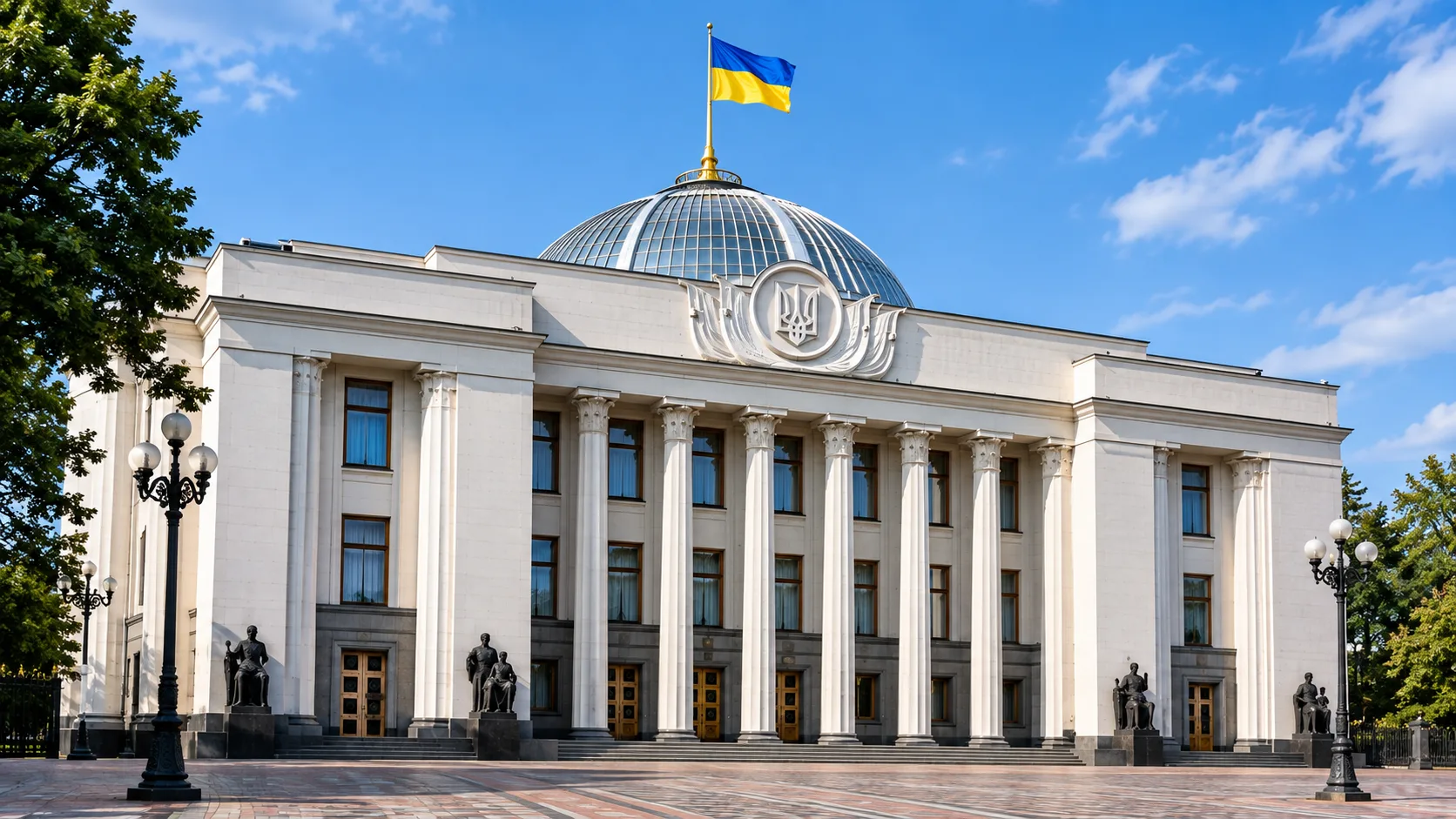
A bill filed in Ukraine’s parliament proposes a new institutional mechanism for representative bodies of the country’s Indigenous peoples. Rather than changing how those bodies express or adopt decisions on behalf of their communities, the measure focuses on the legal infrastructure needed to carry those decisions out.
The Verkhovna Rada of Ukraine reported the registration on Thursday, October 22. Numbered 16176, the draft was introduced by lawmakers Tamila Tasheva, Mustafa Dzhemilev, Akhtem Chyihoz, Oleksandr Korniienko and Oleh Bondarenko during the 16th session of the ninth parliamentary convocation.
Ukraine’s existing law on Indigenous peoples recognizes representative institutions established by Indigenous peoples themselves. Those institutions may represent their communities and make decisions in their name, while the rights and duties specified by law become operative after the Cabinet of Ministers adopts a decision confirming the institution’s legal status.
According to the explanatory memorandum, that framework leaves an important operational question unresolved. It does not adequately prescribe an organizational and legal form through which a recognized representative body can exercise its rights and discharge its responsibilities. The sponsors argue that recognition can therefore exist on paper without supplying the tools required for routine institutional work.
Bill 16176 would address that problem by allowing a representative body to form its own executive body. The executive body would operate under regulations approved by the parent representative institution, but it would be registered as a legal entity in its own right. This creates a distinction between the body entrusted with representation and an entity responsible for administrative implementation.
The proposed executive entity would be able to acquire property and non-property rights and assume obligations in its own name. The draft expressly authorizes it to enter into civil-law and employment contracts, keep an independent balance sheet, and maintain accounts at banks and within Ukraine’s State Treasury Service. It could also receive public funds under the Budget Code where such financing is available under the applicable law.
That structure is significant because the proposal does not simply confer corporate status on the representative institution itself. Instead, it gives the institution the option to create a legally capable administrative arm. In practical legal terms, the arrangement is intended to preserve the representative body’s distinctive role while enabling another entity to deal with employment, assets, payments and contractual relationships on its behalf.
Registration would be handled by the central executive authority responsible for shaping and implementing state policy on religion, Indigenous peoples and national minorities or communities. The bill accordingly amends the statute governing registration of legal entities, individual entrepreneurs and civic formations. Its provisions would insert these new executive bodies into the registration framework and designate the responsible public authority.
The proposal also anticipates the possibility that the Cabinet of Ministers could withdraw the recognized legal status of a representative body. In that event, the executive entity created by it would have to be liquidated under the procedures established by law. The representative body would have one year to decide on termination; if it failed to act, the competent central authority would make that decision within one month after the deadline expired.
A third set of amendments concerns Ukraine’s law against money laundering, terrorist financing and financing the proliferation of weapons of mass destruction. The draft would add an executive body of an Indigenous representative institution to a relevant statutory list. The combined amendments are designed as a single package covering legal capacity, state registration and the accompanying financial-law framework.
The lead committee is the Verkhovna Rada committee responsible for human rights, de-occupation and reintegration of temporarily occupied territories, national minorities and interethnic relations. The bill has also been referred to committees dealing with state organization and local government, economic development, finance and taxation, legal policy, social policy, humanitarian affairs, the budget, anti-corruption policy and European integration. The breadth of that review reflects the number of legal fields touched by the proposed entity.
The sponsors say the measure would not require additional spending from the state budget. They expect it to create the legal basis for representative bodies to interact more effectively with public authorities and civil society and to participate in decisions affecting Indigenous peoples. Those are projected outcomes rather than established effects: as a newly registered bill, the proposal still requires parliamentary consideration, and its provisions would apply only if enacted, signed and published, with entry into force scheduled for the day after publication.