NATO Jets Shoot Down Drone Over Lithuania
Italian NATO aircraft intercepted an unidentified drone near Pratkūnai in Lithuania’s Kaišiadorys district. Authorities say it likely entered from Belarus and may have carried explosives.
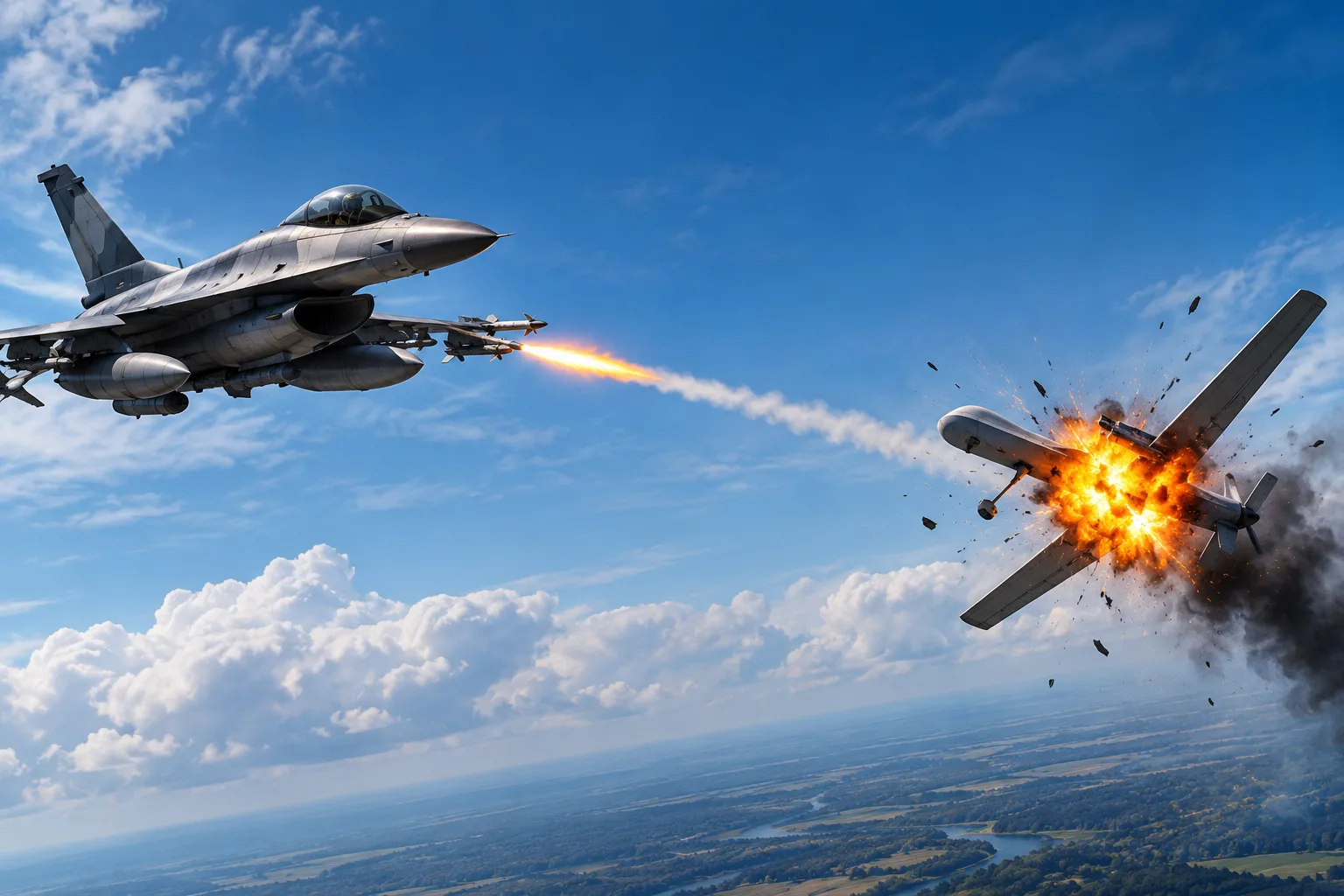
NATO fighter jets shot down an unidentified drone after it crossed into Lithuanian airspace shortly after midnight, according to the country’s military and National Crisis Management Centre. The aircraft was intercepted over a rural area near Pratkūnai village, between Kaunas and Kaišiadorys.
Italian allied fighters operating from Šiauliai Air Base were scrambled under NATO’s Baltic air-policing mission. Lithuanian authorities said wreckage was later found near the Kaunas Reservoir, and the surrounding area was sealed off while military police, national police and specialist teams began examining the site.
Mobile alerts were initially sent to residents in Vilnius, Trakai and Elektrėnai, warning of a possible aerial threat and advising people to identify a safe place. Alerts were later extended to Kaunas County. Officials announced about half an hour after the first warning that the airborne object had been destroyed.
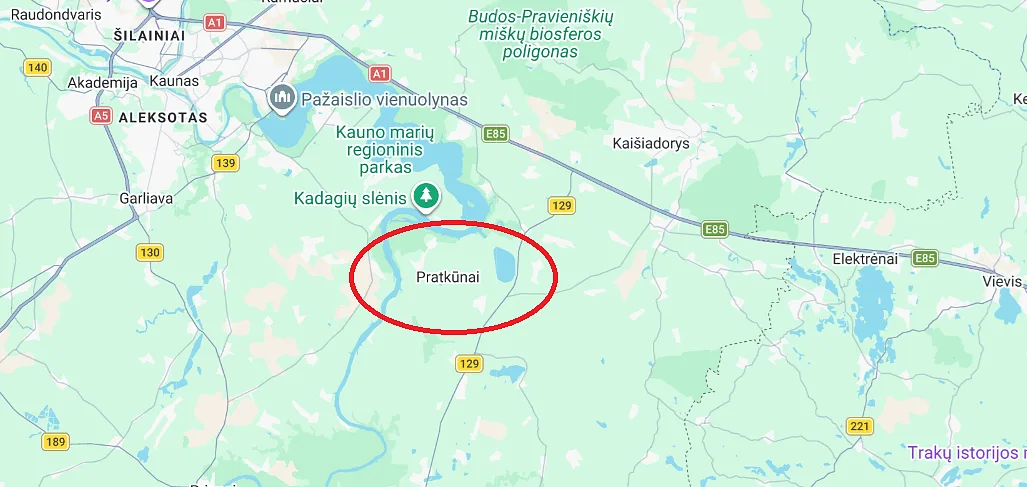
Vilmantas Vitkauskas, head of the National Crisis Management Centre, said preliminary tracking indicated that the drone had arrived from Belarus. Its suspected route took it past Lentvaris and the Trakai district before it continued westward.
Investigators are working to determine the drone’s model, capabilities, payload and intended target. Lithuania activated its special “Shield” response plan at the crash site, where the debris remains guarded. Vitkauskas said there was a strong likelihood that the aircraft had been carrying an explosive charge, though that assessment has not yet been confirmed by a full technical examination.
No casualties or property damage have been reported. The Lithuanian military cautioned against drawing early conclusions, saying all circumstances surrounding the incursion and interception would be reviewed as part of an investigation.
President Gitanas Nausėda, who was visiting Finland, confirmed publicly that NATO aircraft had destroyed the drone. He and Lithuania’s defence leadership thanked allied forces for their rapid response, while the military said the immediate threat had been neutralised and no longer posed a danger to the public.