
Ukraine’s August Inflation Rises to 8.1%
Fuel costs and regulated tariffs pushed headline inflation slightly above the central bank’s projected path. Core inflation held steady as service-price growth eased.
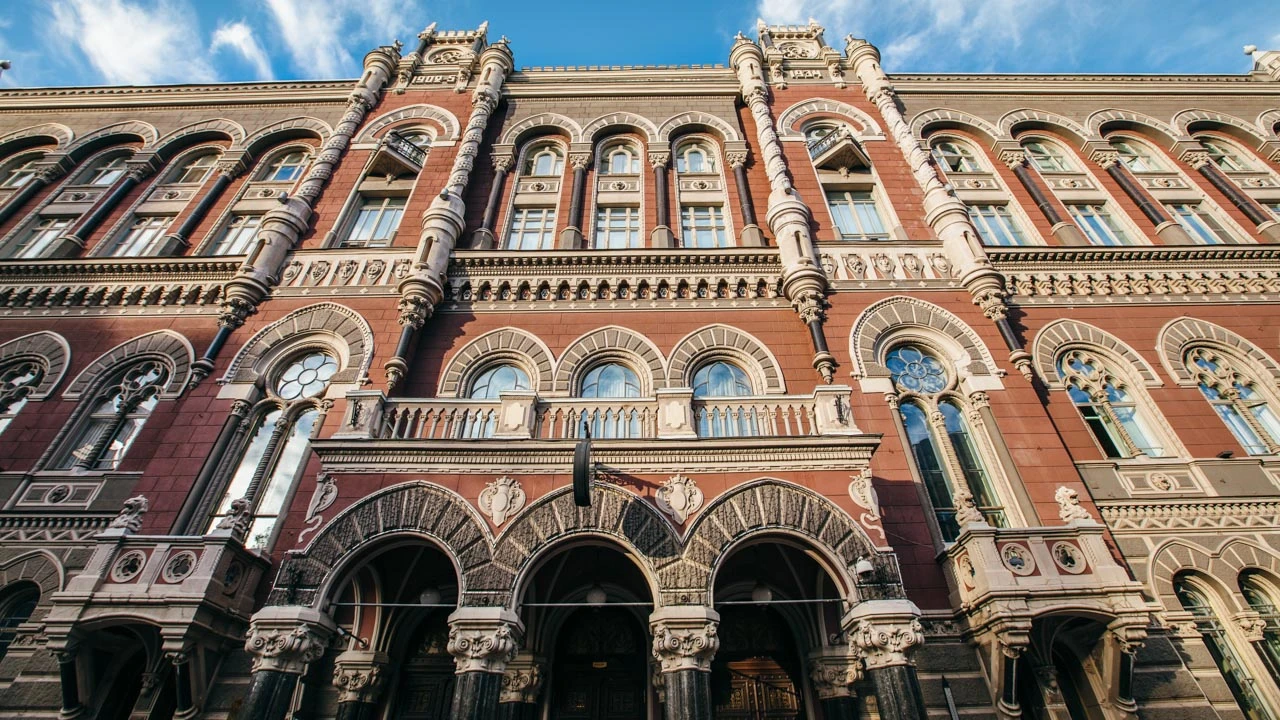
Ukraine’s annual consumer inflation rate climbed to 8.1% in August 2026, with prices increasing 0.1% from the previous month, according to State Statistics Service data cited by the National Bank of Ukraine on September 10.
The headline reading was marginally above the path set out in the NBU’s July Inflation Report. The central bank attributed the difference mainly to a sharper-than-anticipated rise in fuel prices and stronger administered-price inflation following increases in water supply and sewerage tariffs. Core inflation, by contrast, came in slightly below the bank’s forecast as services became more expensive at a slower pace than expected.
Fuel was the most significant source of pressure, with annual inflation in the category accelerating to 38.7%. A late-July surge in global oil prices continued to affect domestic petrol prices during August. Diesel costs rose amid shortages in the first half of the month but later declined and stabilized as import volumes expanded. Cheaper imports also helped steady liquefied petroleum gas prices early in August.
Price growth for unprocessed food moderated to 1% year on year. Supplies from the new harvest slowed inflation for vegetables commonly used in Ukrainian cooking, while an abundant tomato crop drove prices lower. Meat also became cheaper because of adequate supply and weaker demand, with investment in poultry production contributing to greater availability of chicken. Sugar prices continued to fall, though less rapidly than in July, as reduced sugar-beet planting raised expectations of tighter future supply.
Core inflation remained at 8.1% for a third consecutive month. Price growth for processed food was unchanged overall, but trends differed across products. Cheese and fermented dairy goods rose rapidly as processors faced higher raw-milk purchasing costs and additional expenses linked to wartime and logistical risks. Butter prices fell more quickly due to large inventories, promotional offers and substantial imports of relatively inexpensive products. Strong supply and competition weighed on non-alcoholic beverage prices.
Annual inflation for non-food goods edged up to 1.1%, partly because declines in clothing and footwear prices became less pronounced than in earlier summer months. Services inflation slowed to 13.4%, reflecting weaker increases in mobile communications, health insurance and financial services. At the same time, elevated fuel costs fed into faster price growth for taxis and moving services. Rents, cafes, hotels, dental care, veterinary treatment, shoe repairs and dry cleaning also recorded stronger increases.
Administered-price inflation accelerated to 13% as a number of Ukrainian cities raised public transport fares and water and sewerage charges. Alcohol prices also grew faster amid higher costs for some raw materials and more expensive logistics. The NBU linked part of that burden to Russian attacks on storage infrastructure and the resulting destruction of inventories.
The central bank warned that Russia’s continued military aggression, alongside the war in the Middle East, was keeping price risks elevated. Strikes on production, energy and logistics facilities are raising business costs and constraining the domestic supply of goods and services, while repeated aerial attacks are affecting household and corporate expectations.
The NBU said it would maintain a prudent monetary stance aimed at preventing inflation expectations from becoming unanchored. Its current outlook anticipates that inflation will resume a downward course in 2027.