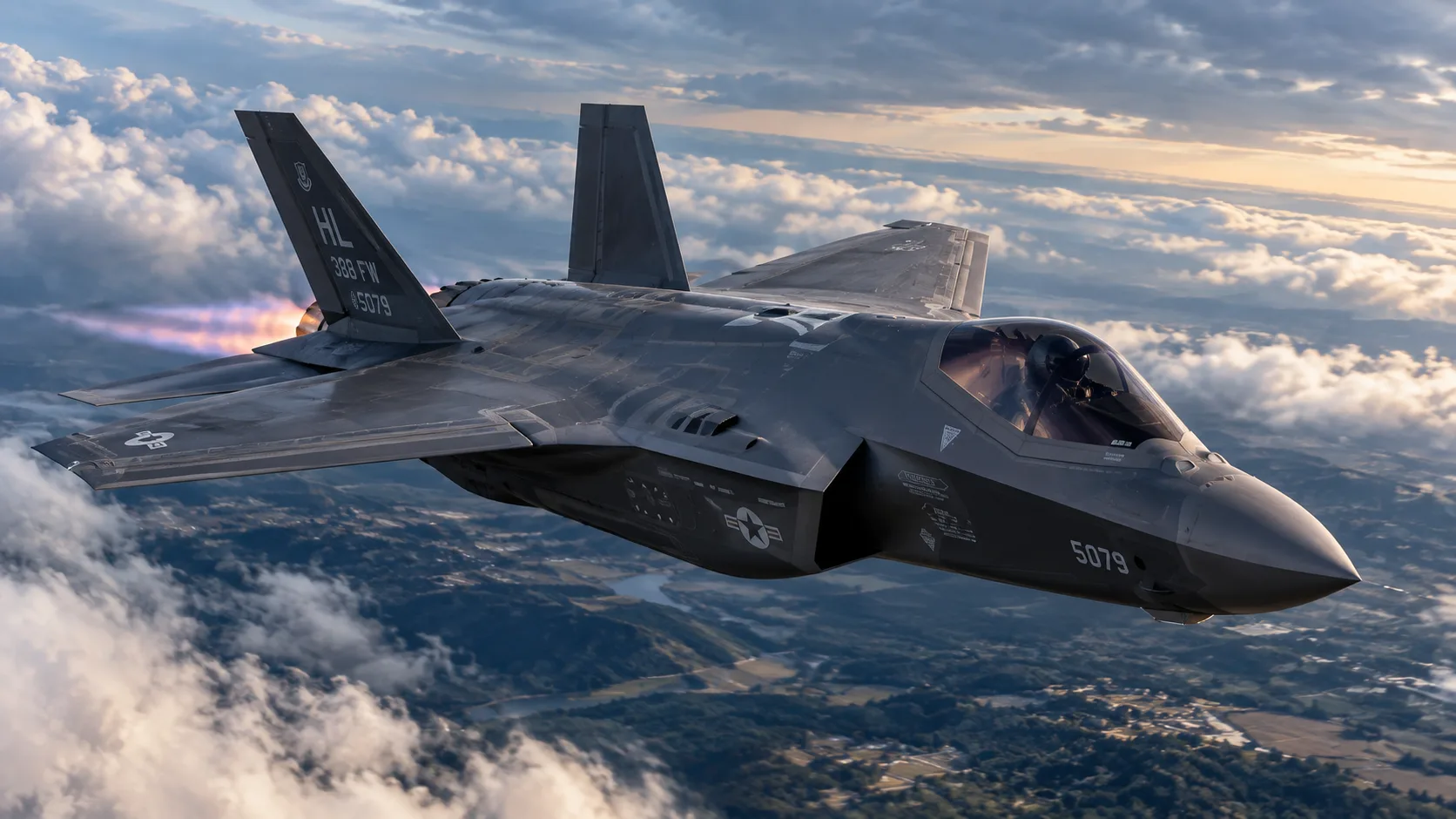
US Holds Back on Iran as Gulf Allies Warn of Renewed War
Washington is signaling that a major new operation against Iran is not imminent, while keeping military options open. Gulf governments remain concerned that another escalation would again expose their infrastructure to attack.
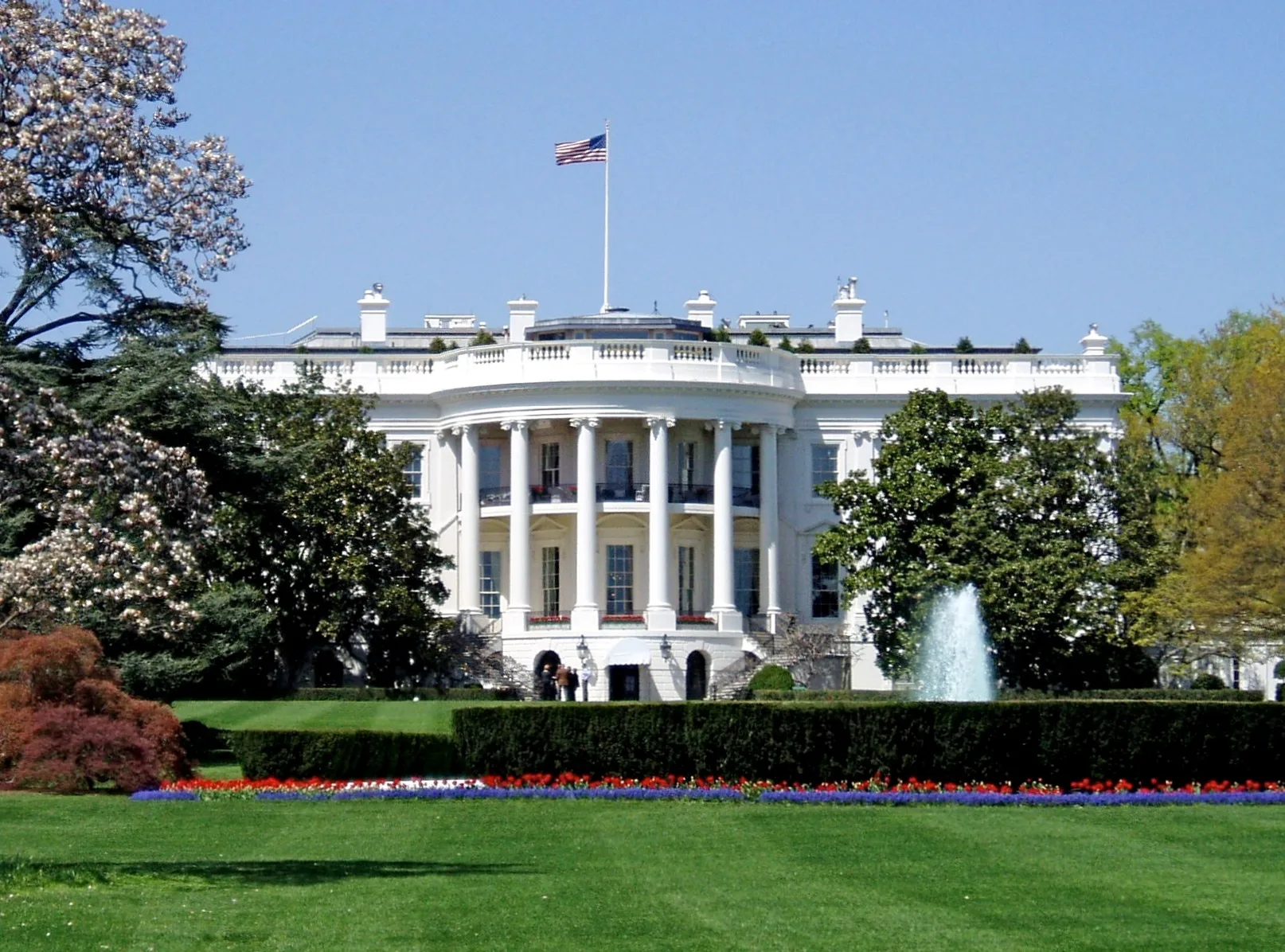
The United States is maintaining economic and military pressure on Tehran without moving toward an immediate large-scale offensive. Secretary of State Marco Rubio said at the November 10 G7 meeting in Paris that the current pressure campaign and naval blockade were achieving Washington’s objectives, while President Donald Trump said US forces remained ready for combat.
Radio Liberty (svoboda.org) reported on Thursday, November 12, that the conflict had entered a fragile phase of diplomacy and preserved status quo. Trump’s administration also faces weaker domestic backing after Republican losses in the midterm elections and public discontent over higher living and fuel costs.
For Saudi Arabia, the United Arab Emirates and other regional partners, restraint is a security priority. Earlier Iranian missile and drone attacks inflicted extensive damage across the Gulf, raising doubts about whether costly defense networks and US bases can adequately protect the region from another mass assault. Arab governments are therefore pressing Washington to avoid renewed strikes and keeping channels with Tehran open.
Tensions with allies have also grown after Trump demanded that Gulf states and Israel reimburse the United States for the campaign. The Pentagon put direct US military spending at $47.1 billion, excluding the repair of damaged bases. Analysts cited in the report viewed the demand largely as a domestic political message, and no agreement on repayment was disclosed.