
Ukrainian Authorities Warn Teens About Online Scams and Criminal Recruitment
Officials are urging young internet users to question easy-money offers, safeguard financial credentials and reject suspicious assignments. Seemingly simple online tasks may expose teenagers to fraud or more serious crimes.
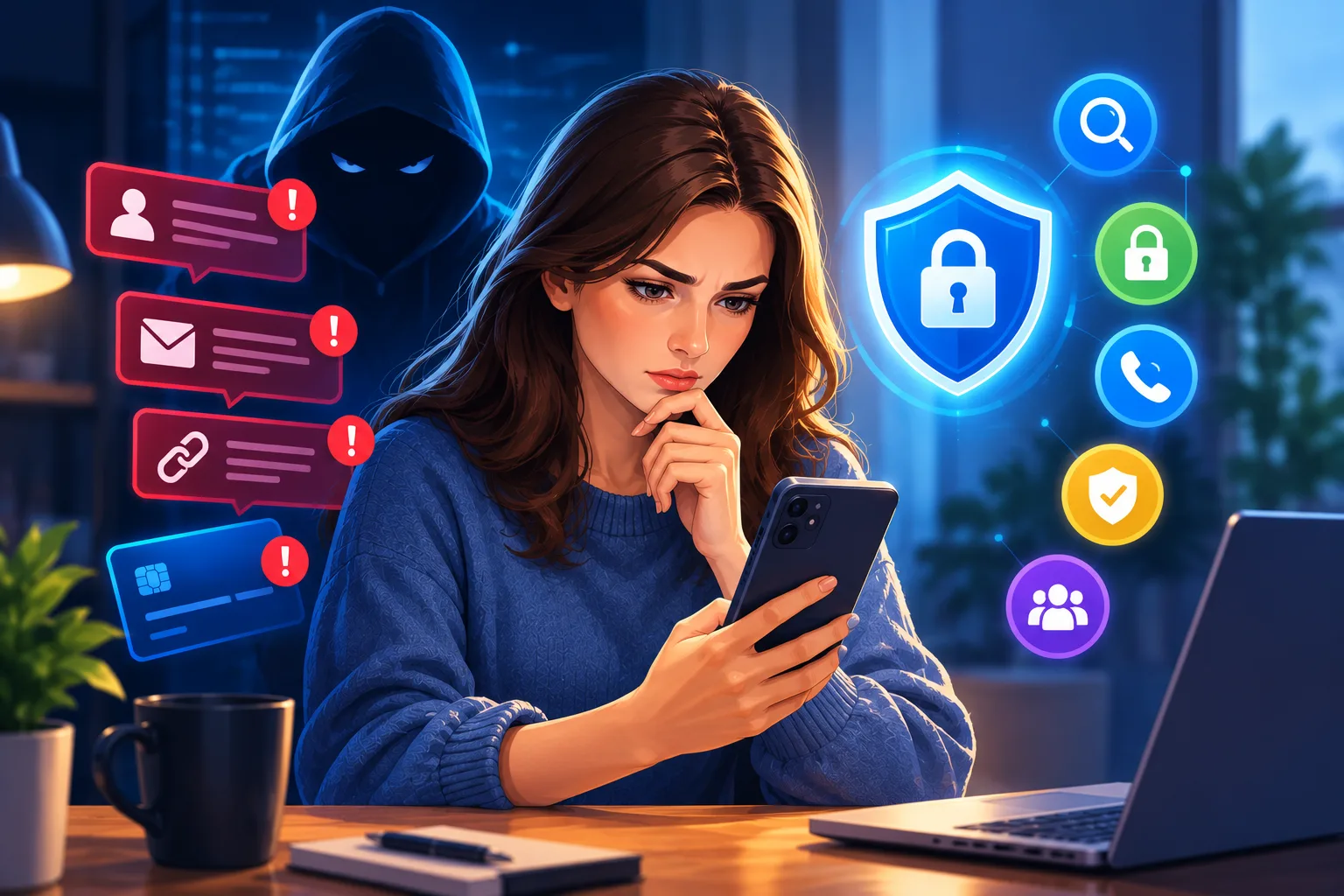
Ukraine’s Interior Ministry, working with the Center for Countering Disinformation and the Security Service of Ukraine, has issued online safety guidance aimed at teenagers. The agencies warn that digital profiles do not prove a person’s identity: scammers may pose as bank employees, public officials, recruiters or trusted contacts whose accounts have been compromised.
Young users are advised to verify messages before opening attachments or following links, including those sent from familiar accounts. Passwords, confirmation codes, payment card details and account access should never be disclosed to strangers, regardless of how convincing or urgent their request appears.
Authorities highlighted schemes in which teenagers are asked to lend or “rent out” a bank card or account. Moving, withdrawing or receiving money on somebody else’s instructions could make the account holder part of an illegal operation. A small promised commission does not remove the legal or financial risk.
Fake job advertisements are another concern. Offers of unusually high pay for basic work, immediate hiring without meaningful checks and claims that no skills are required can signal deception. Requests to pay for training, profile activation, access to assignments or a mandatory account top-up are also common warning signs, as legitimate employment should not depend on transferring personal funds first.
Officials additionally cautioned teenagers against accepting tasks to photograph strategic facilities, collect information about them, commit arson or take part in other unlawful acts. Recruiters may initially describe such requests as harmless and later resort to intimidation or blackmail. A teenager facing this situation should end the conversation, preserve the messages and seek help from a trusted adult or law enforcement.
The Interior Ministry also stressed that being underage does not guarantee immunity from prosecution. According to its guidance, criminal liability for fraud applies from age 16, while liability for sabotage may begin at 14. Parents or guardians may bear responsibility in cases involving children younger than 14.
Basic account security can reduce exposure to both financial scams and manipulation. Strong unique passwords, two-factor authentication and regular reviews of logged-in devices are recommended. Pressure to act immediately, keep an assignment secret or accept effortless income should be treated as a reason to pause, verify the approach and ask for assistance.
- The SBU hotline at 1516 or the @Spaly_FSB_bot chatbot;
- The National Police at 102 or 112.